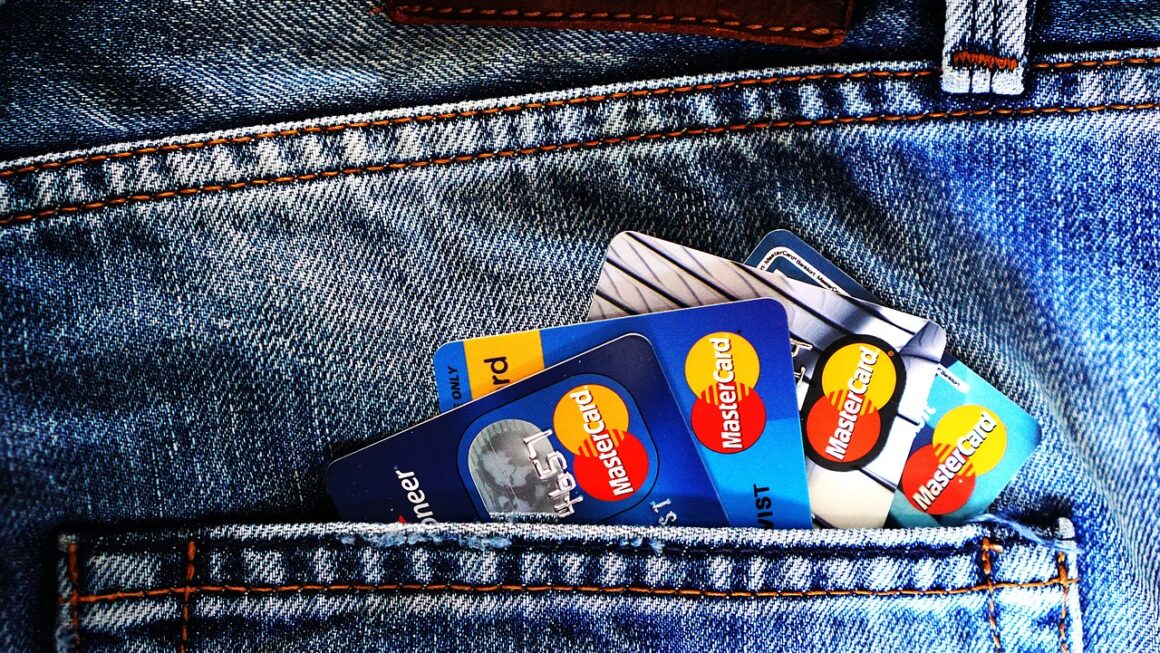
Missing a payment, whether it’s on a credit card, loan, or utility bill, can feel like a minor slip-up. However, the consequences can quickly snowball, affecting your credit score, increasing your debt, and causing significant financial stress. Understanding the repercussions and knowing how to address missed payments proactively is crucial for maintaining good financial health. This guide provides a comprehensive overview of missed payments, covering everything from the potential impact to actionable steps you can take to prevent and resolve them.
Understanding the Impact of Missed Payments
Credit Score Damage
- The Magnitude: Missed payments are one of the most significant factors influencing your credit score. Even a single missed payment can negatively impact your score, especially if you have a thin credit history. The later the payment, the greater the negative impact.
- Credit Reporting: Lenders typically report missed payments to credit bureaus (Experian, Equifax, and TransUnion) after 30 days past the due date. This information becomes part of your credit report and is visible to other lenders.
- Example: Missing a credit card payment by 60 days will have a far greater negative impact than missing it by 30 days. Similarly, consistently missing payments will significantly lower your credit score compared to a single isolated incident.
- Actionable Takeaway: Set reminders for all your due dates and consider automating payments whenever possible. Regularly check your credit report for inaccuracies and address any issues promptly.
Increased Interest Rates and Fees
- Penalty APR: Many credit card agreements include a penalty APR, a higher interest rate that is triggered by missing a payment. This higher rate can significantly increase the cost of carrying a balance.
- Late Fees: Lenders typically charge late fees for missed payments. These fees can vary depending on the type of account and the lender’s policies, but they can add up quickly if you consistently miss payments.
- Example: If you miss a credit card payment and your card has a penalty APR of 29.99%, you’ll pay significantly more in interest on your outstanding balance than if your regular APR was 18%. Late fees can range from $25 to $39 per missed payment.
- Actionable Takeaway: Review your credit card and loan agreements to understand the fees and interest rates associated with missed payments. Pay attention to grace periods and any late payment penalties.
Debt Accumulation
- The Cycle of Debt: Missed payments can lead to a cycle of debt. Late fees and increased interest rates make it harder to pay off your balance, which can lead to more missed payments and further debt accumulation.
- Collection Agencies: If you continue to miss payments, your account may be sent to a collection agency. This can further damage your credit score and lead to aggressive collection efforts.
- Example: You miss a loan payment, incur a late fee, and then pay less than the minimum due the following month, causing a revolving cycle of debt.
- Actionable Takeaway: Create a budget to manage your finances effectively. Prioritize essential payments to avoid falling behind. If you’re struggling to make payments, contact your lenders to explore options like payment plans or hardship programs.
Other Consequences
- Loan Default: Consistent missed payments on loans (mortgages, auto loans, personal loans) can lead to default. Defaulting on a loan can have severe consequences, including repossession of assets (e.g., your car or home) and legal action.
- Service Disconnection: Missing payments on utility bills (electricity, water, gas, internet) can result in service disconnection. This can disrupt your daily life and potentially lead to additional reconnection fees.
- Difficulty Obtaining Future Credit: A history of missed payments makes it more difficult to obtain credit in the future. Lenders view you as a higher risk and may deny your application or offer less favorable terms.
- Actionable Takeaway: Stay organized with your bills and create a system to track due dates. If you anticipate difficulty making a payment, contact the lender or service provider as soon as possible to explore possible solutions.
Common Reasons for Missed Payments
Financial Hardship
- Job Loss: Losing your job or experiencing a significant reduction in income can make it difficult to meet your financial obligations.
- Unexpected Expenses: Unexpected medical bills, car repairs, or home repairs can strain your budget and lead to missed payments.
- Overspending: Overspending and living beyond your means can make it challenging to manage your finances and avoid missed payments.
- Actionable Takeaway: Build an emergency fund to cover unexpected expenses. Create a budget and track your spending to identify areas where you can cut back. Consider seeking financial assistance or counseling if you’re struggling with debt.
Disorganization and Forgetfulness
- Multiple Due Dates: Juggling multiple due dates for different bills can be confusing and lead to missed payments.
- Lack of Tracking: Not tracking your bills and payment history can make it easy to overlook due dates.
- Procrastination: Putting off bill payments until the last minute can increase the risk of forgetting them altogether.
- Actionable Takeaway: Use a calendar, budgeting app, or bill payment service to track your due dates and set reminders. Automate your payments whenever possible to avoid forgetting them.
Errors and Disputes
- Billing Errors: Inaccurate billing statements can lead to confusion and missed payments.
- Fraudulent Charges: Unauthorized charges on your account can disrupt your payment schedule and lead to missed payments.
- Disputes with Vendors: Disputes with vendors over goods or services can result in delayed or missed payments.
- Actionable Takeaway: Review your billing statements carefully for errors and unauthorized charges. If you find any discrepancies, contact the vendor or lender immediately to resolve the issue. Document all communication and keep records of any disputes.
Strategies for Preventing Missed Payments
Automate Payments
- Set it and forget it: Automating payments from your bank account ensures that your bills are paid on time, every time.
- How to automate: Most lenders and service providers offer the option to set up automatic payments through their websites or apps.
- Example: Set up automatic payments for your credit card, mortgage, and utility bills.
- Actionable Takeaway: Review your automated payments regularly to ensure that they are still active and that your bank account has sufficient funds to cover the payments.
Create a Budget
- Track income and expenses: A budget helps you track your income and expenses, identify areas where you can cut back, and prioritize essential payments.
- Budgeting methods: Several budgeting methods are available, including the 50/30/20 rule, the envelope system, and zero-based budgeting.
- Example: Use a budgeting app to track your income and expenses, identify areas where you’re overspending, and create a plan to reduce your debt.
- Actionable Takeaway: Regularly review and adjust your budget as needed to reflect changes in your income, expenses, and financial goals.
Set Reminders and Alerts
- Calendar reminders: Set reminders in your calendar or smartphone to alert you when bills are due.
- Email and text alerts: Sign up for email and text alerts from your lenders and service providers to receive reminders about upcoming due dates.
- Example: Set a reminder on your phone a week before your credit card bill is due and another reminder the day before the due date.
- Actionable Takeaway: Make sure your contact information is up-to-date with your lenders and service providers to ensure that you receive timely reminders and alerts.
Prioritize Bills
- Essential vs. non-essential: Prioritize essential bills (mortgage, rent, utilities) over non-essential bills (subscriptions, entertainment).
- Late payment consequences: Pay bills with the most severe late payment consequences first to minimize the impact on your credit score and avoid late fees.
- Example: If you’re short on cash, prioritize paying your mortgage or rent over your cable bill to avoid eviction or foreclosure.
- Actionable Takeaway: Create a list of your bills and rank them in order of importance. Focus on paying the most important bills on time, even if you have to make sacrifices elsewhere.
Steps to Take After Missing a Payment
Contact the Lender Immediately
- Explain the situation: Contact the lender as soon as possible to explain why you missed the payment.
- Negotiate a payment plan: Ask if they can offer a payment plan or a temporary reduction in your interest rate or monthly payment.
- Example: Call your credit card company and explain that you missed the payment due to a temporary job loss. Ask if they can waive the late fee or offer a temporary lower interest rate.
- Actionable Takeaway: Be honest and proactive. Lenders are often willing to work with you if you communicate your situation and demonstrate a willingness to resolve the issue.
Catch Up as Soon as Possible
- Make the payment: Pay the missed payment as soon as you have the funds available.
- Pay extra: If possible, pay more than the minimum amount due to reduce your balance and avoid further interest charges.
- Example: You miss a credit card payment and then receive a small bonus at work. Use the bonus to pay off the missed payment and reduce your overall credit card balance.
- Actionable Takeaway: Even a small payment can help you catch up and minimize the negative impact on your credit score.
Monitor Your Credit Report
- Check for errors: Regularly monitor your credit report for errors and inaccuracies.
- Dispute any errors: Dispute any errors or inaccuracies with the credit bureaus to have them corrected.
- Example: Check your credit report and notice that a missed payment was reported incorrectly. Dispute the error with the credit bureau and provide documentation to support your claim.
- Actionable Takeaway: You are entitled to one free credit report from each of the three major credit bureaus per year. Take advantage of this right to monitor your credit report regularly.
Seek Professional Help if Needed
- Credit counseling: Consider seeking credit counseling from a non-profit organization if you’re struggling with debt management.
- Debt consolidation: Explore debt consolidation options, such as balance transfers or personal loans, to simplify your debt payments and potentially lower your interest rates.
- Example: You have multiple credit cards with high interest rates and are struggling to make payments. Consider consolidating your debt into a single personal loan with a lower interest rate.
- Actionable Takeaway: Be wary of companies that promise quick fixes or guaranteed results. Always do your research and choose reputable and accredited organizations.
Conclusion
Missing payments can have a significant impact on your financial health, but understanding the consequences and taking proactive steps can help you prevent and resolve them. By automating payments, creating a budget, setting reminders, and prioritizing your bills, you can stay on top of your financial obligations and avoid falling behind. If you do miss a payment, contact the lender immediately, catch up as soon as possible, and monitor your credit report for errors. With careful planning and consistent effort, you can manage your finances effectively and maintain a healthy credit score.