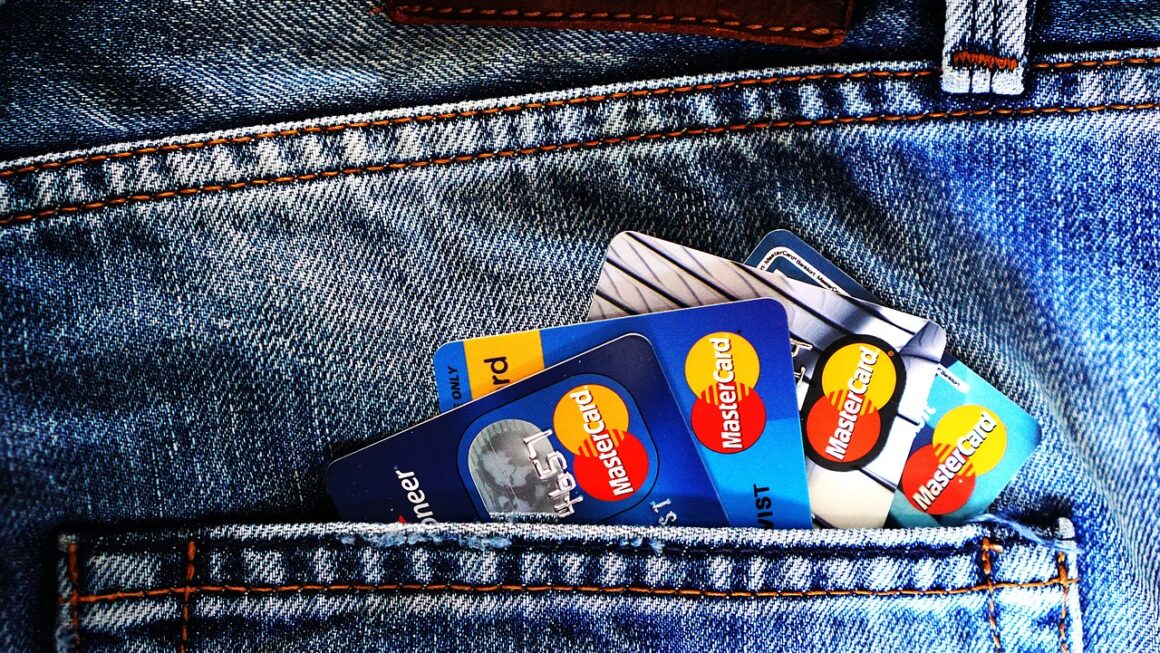
Understanding your credit score is crucial in today’s financial landscape. It’s more than just a number; it’s a reflection of your creditworthiness and plays a significant role in various aspects of your life, from securing loans and mortgages to renting an apartment or even landing a job. This comprehensive guide will break down the key factors that influence your credit score, empowering you to take control of your financial future.
Payment History
Why Payment History Matters
Your payment history is arguably the most influential factor in determining your credit score, typically accounting for around 35% of your FICO score. It demonstrates your reliability in repaying debts, which is the primary concern for lenders. A consistent track record of on-time payments builds trust and increases your creditworthiness.
- Impact: Late payments, missed payments, and bankruptcies have a significant negative impact on your score.
- Reporting: Payment history is reported to credit bureaus by lenders, credit card companies, and other creditors.
- How long it stays: Negative information, such as late payments, can stay on your credit report for up to seven years, while bankruptcies can remain for up to 10 years.
Building a Positive Payment History
- Automate Payments: Set up automatic payments for your bills to ensure you never miss a due date.
- Set Reminders: If you prefer manual payments, set reminders on your phone or calendar to avoid late fees.
- Prioritize Payments: If you’re struggling to pay all your bills, prioritize those that report to credit bureaus, such as credit cards and loans.
- Contact Creditors: If you’re facing financial hardship, reach out to your creditors to discuss potential payment plans or hardship programs.
- Example: Let’s say you always paid your credit card bill on time for 2 years. But then due to circumstances you start paying late by more than 30 days a few times. This would negatively impact your score.
Amounts Owed
Understanding Credit Utilization
Amounts owed, also known as credit utilization, makes up about 30% of your FICO score. It refers to the amount of credit you’re using compared to your total available credit. High credit utilization can signal to lenders that you’re overextended and may have difficulty managing your debts.
- Formula: Credit utilization is calculated as (Total Credit Used) / (Total Credit Limit) * 100.
- Ideal Ratio: Aim to keep your credit utilization below 30%. Experts suggest even lower, ideally below 10%, for optimal scores.
- Impact: Maxing out credit cards or carrying high balances can significantly lower your credit score.
Managing Your Credit Utilization
- Pay Down Balances: Focus on paying down your credit card balances to reduce your credit utilization ratio.
- Request Credit Limit Increases: Requesting a credit limit increase can lower your utilization rate, but be sure you don’t increase your spending as a result.
- Balance Transfers: Consider transferring balances from high-interest credit cards to lower-interest cards or loans.
- Example: If you have a credit card with a $5,000 limit and you’re carrying a balance of $4,000, your credit utilization is 80%. Reducing the balance to $1,500 would bring your utilization down to 30%, which can positively impact your score.
Length of Credit History
The Importance of Time
The length of your credit history accounts for about 15% of your FICO score. A longer credit history provides lenders with more data to assess your creditworthiness. It demonstrates your ability to manage credit over time.
- Factors Considered: This factor considers the age of your oldest credit account, the age of your newest credit account, and the average age of all your accounts.
- Impact: A longer credit history generally leads to a higher credit score, assuming you’ve managed your credit responsibly.
- New to Credit: If you’re new to credit, it may take some time to build a substantial credit history.
Building a Solid Credit History
- Open Accounts Early: Consider opening a credit card or secured credit card early to start building your credit history.
- Keep Accounts Open: Avoid closing old credit accounts, even if you’re not using them, as this can shorten your credit history. (Note: Consider the annual fee.)
- Use Credit Regularly: Use your credit cards responsibly by making small purchases and paying them off on time each month.
- Example: Someone who has had a credit card for 10 years and always paid on time is likely to have a higher credit score in this factor than someone who just opened their first credit card.
Credit Mix
Diversifying Your Credit Profile
Credit mix, which accounts for about 10% of your FICO score, refers to the variety of credit accounts you have, such as credit cards, installment loans (e.g., auto loans, mortgages), and retail accounts. Lenders want to see that you can manage different types of credit responsibly.
- Benefits of a Diverse Mix: A good credit mix demonstrates that you can handle different types of financial obligations.
- Not Essential: While a diverse credit mix can be beneficial, it’s not as important as payment history and amounts owed.
- Avoid Overextending: Don’t open new accounts solely for the purpose of improving your credit mix; focus on managing your existing accounts responsibly.
Improving Your Credit Mix
- Consider Installment Loans: If you only have credit cards, consider taking out a small installment loan (e.g., a secured loan) to diversify your credit mix.
- Manage Existing Accounts: Focus on managing your existing credit cards and loans responsibly to build a positive credit history.
- Example: If you only have credit cards, adding a car loan (installment loan) that you manage responsibly could improve your credit mix, assuming everything else is equal.
New Credit
Applying for New Credit Wisely
New credit accounts for about 10% of your FICO score. Opening too many new accounts in a short period can lower your credit score, as it may indicate to lenders that you’re taking on too much debt.
- Hard Inquiries: Each time you apply for credit, the lender makes a hard inquiry on your credit report, which can slightly lower your score.
- Impact of Multiple Applications: Applying for multiple credit cards or loans within a short timeframe can significantly lower your score.
- Spacing Out Applications: Spread out your credit applications to minimize the impact on your credit score.
Managing New Credit
- Apply Strategically: Only apply for credit when you genuinely need it, and avoid applying for multiple accounts at once.
- Research Offers: Before applying for credit, research different offers and compare interest rates, fees, and terms.
- Pre-Approval Process: Consider getting pre-approved for loans or credit cards, as pre-approval usually involves a soft inquiry that doesn’t affect your credit score.
- Example: Applying for three credit cards in a month might cause your score to dip more than applying for one every six months.
Conclusion
Understanding the factors that influence your credit score is the first step towards building a strong credit profile. By focusing on making on-time payments, managing your credit utilization, building a long credit history, diversifying your credit mix, and applying for new credit wisely, you can significantly improve your credit score and unlock a world of financial opportunities. Remember that building credit takes time and consistency, so stay patient and diligent in your efforts. Your credit score is a powerful tool, so use it wisely!