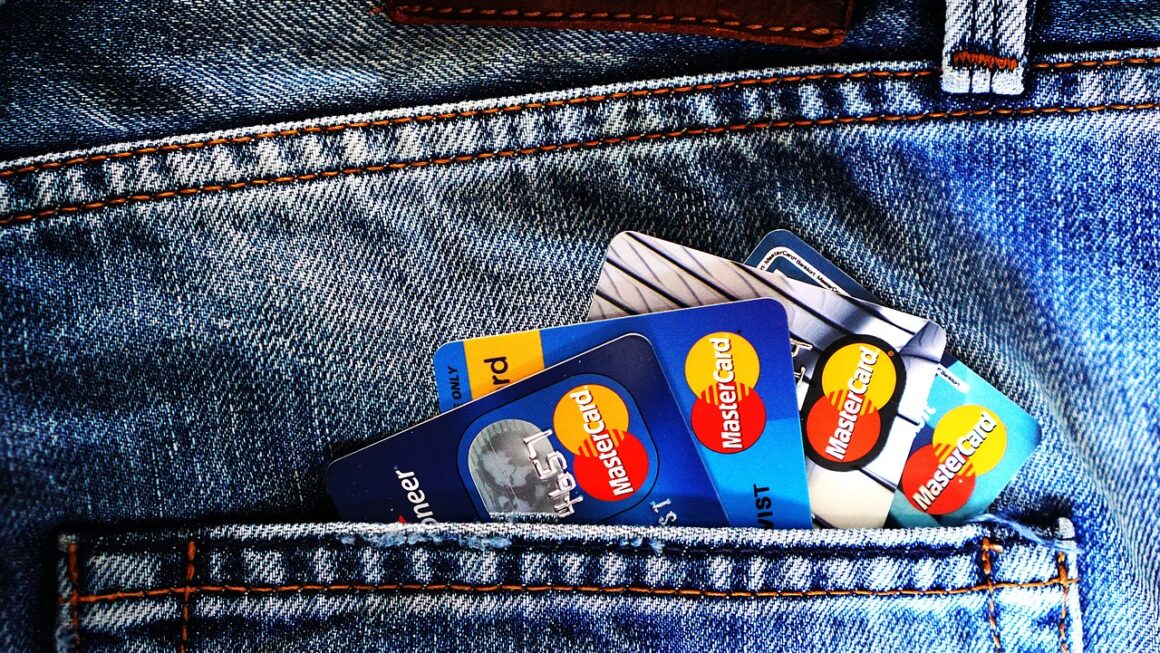
Credit problems can feel like a weight constantly holding you back, preventing you from achieving your financial goals. Whether it’s a low credit score impacting your ability to secure a loan, rent an apartment, or even get a job, understanding how to repair your credit is a crucial step towards a brighter financial future. This comprehensive guide will walk you through the intricacies of credit repair, providing you with the knowledge and tools necessary to take control of your credit and improve your financial well-being.
Understanding Credit Scores and Reports
What is a Credit Score?
Your credit score is a three-digit number that summarizes your creditworthiness. Lenders use it to assess the risk of lending you money. A higher score typically means lower risk, leading to better interest rates and loan terms. The most commonly used credit scoring models are FICO and VantageScore. FICO scores range from 300 to 850, with scores generally categorized as follows:
- Exceptional: 800-850
- Very Good: 740-799
- Good: 670-739
- Fair: 580-669
- Poor: 300-579
VantageScore has a similar range and categorization.
What is a Credit Report?
A credit report is a detailed history of your credit activity. It includes information such as:
- Personal Information: Name, address, Social Security number, and date of birth.
- Credit Accounts: Payment history, account balances, credit limits, and account opening dates for credit cards, loans, and other credit lines.
- Public Records: Bankruptcies, tax liens, and judgments.
- Inquiries: A list of companies that have accessed your credit report (usually when you apply for credit).
You are entitled to one free credit report per year from each of the three major credit bureaus: Experian, Equifax, and TransUnion. You can obtain these reports by visiting www.annualcreditreport.com.
Why Credit Reports Matter
Errors on your credit report can negatively impact your credit score. Therefore, regularly reviewing your credit reports is crucial for identifying and correcting inaccuracies. Even small errors can have a significant impact on your creditworthiness.
Example: A mistaken late payment reported on your credit report can lower your score by dozens of points, potentially costing you thousands of dollars in higher interest rates over the life of a loan.
Identifying Negative Items on Your Credit Report
Common Credit Report Errors
Many credit reports contain errors. Some common types of errors include:
- Incorrect Personal Information: Misspellings of your name, incorrect addresses, or wrong Social Security number.
- Incorrect Account Information: Accounts listed that don’t belong to you, incorrect balances, or inaccurate payment history.
- Duplicate Accounts: The same account listed multiple times.
- Accounts Not Belonging to You: Accounts opened fraudulently in your name.
- Outdated Information: Negative information that is older than the reporting timeframe (usually 7 years, 10 years for bankruptcies).
How to Review Your Credit Report for Errors
Carefully examine each section of your credit report. Look for any discrepancies or information that doesn’t seem right. Pay close attention to:
- Account numbers and balances
- Payment history for each account
- Collection accounts
- Public records (bankruptcies, liens, judgments)
- Inquiries
If you find an error, make a note of it and gather any supporting documentation you have, such as payment confirmations or account statements.
Prioritizing Disputes
When you find multiple errors, prioritize the ones that are having the biggest impact on your score. Errors related to major credit lines, high balances, or serious delinquencies should be addressed first.
Disputing Errors on Your Credit Report
The Dispute Process
Once you’ve identified errors on your credit report, you need to dispute them with the credit bureaus. Here’s how:
Example Dispute Letter Snippet:
[Your Name]
[Your Address]
[City, State, Zip Code]
[Date]
Experian Dispute Department
P.O. Box 4500
Allen, TX 75013
Subject: Credit Report Dispute
Dear Experian Dispute Department,
I am writing to dispute an error on my credit report. The account listed under [Account Name] with account number [Account Number] is reporting incorrect information. The reported balance is $[Incorrect Balance], when the correct balance is $[Correct Balance]…
Tips for a Successful Dispute
- Be Clear and Concise: State your case clearly and avoid emotional language.
- Provide Supporting Documentation: Include copies of any documents that support your claim.
- Keep Records: Keep copies of all correspondence and documentation related to the dispute.
- Follow Up: If you don’t hear back from the credit bureau within 30 days, follow up to check on the status of your dispute.
Dealing with Unverifiable Information
If the credit bureau is unable to verify the accuracy of the information you disputed, they are legally required to remove it from your credit report. This can significantly improve your credit score.
Building Positive Credit History
Paying Bills on Time
Payment history is the single most important factor in your credit score. Consistently paying your bills on time is crucial for building a positive credit history. Even one late payment can negatively impact your score.
- Set up automatic payments: Automate payments to ensure you never miss a due date.
- Use calendar reminders: Set reminders for upcoming bill due dates.
- Contact creditors: If you’re struggling to pay your bills, contact your creditors to discuss payment options.
Keeping Credit Utilization Low
Credit utilization is the amount of credit you’re using compared to your total available credit. A high credit utilization ratio can negatively impact your credit score. Experts recommend keeping your credit utilization below 30%.
Example: If you have a credit card with a $1,000 credit limit, try to keep your balance below $300.
- Pay down your balances: Make extra payments to reduce your credit card balances.
- Request a credit limit increase: If you’re responsible with your credit, you can request a credit limit increase to improve your credit utilization ratio (but be sure you don’t spend more as a result).
Opening New Credit Accounts Strategically
Opening too many new credit accounts in a short period of time can negatively impact your credit score. However, opening a new credit account strategically can help you build credit. Consider:
- Secured credit card: A secured credit card requires you to make a deposit that serves as your credit limit. This can be a good option if you have bad credit or no credit history.
- Credit-builder loan: A credit-builder loan is a small loan that you pay back over time. The payments are reported to the credit bureaus, helping you build a positive payment history.
- Become an authorized user: Ask a trusted friend or family member to add you as an authorized user on their credit card. As long as they have a good credit history and pay their bills on time, it can help you build credit.
Avoiding Credit Repair Scams
Identifying Red Flags
Unfortunately, there are many credit repair companies that make false promises and engage in unethical or illegal practices. Be wary of companies that:
- Guarantee to remove negative information from your credit report, regardless of its accuracy.
- Require upfront fees before providing any services.
- Advise you to create a new credit identity by obtaining an Employer Identification Number (EIN) from the IRS to use instead of your Social Security number.
- Tell you not to contact the credit bureaus directly.
Legitimate Credit Repair Options
While there are legitimate credit repair companies that can assist you with the credit repair process, it’s important to do your research and choose a reputable company. A legitimate credit repair company will:
- Explain your rights under the Fair Credit Reporting Act (FCRA).
- Provide you with a written contract outlining the services they will provide and the fees they will charge.
- Not require upfront fees.
- Provide you with regular updates on the progress of your credit repair efforts.
- Allow you to cancel the contract at any time.
Important Note: You can do everything a credit repair company can do yourself, for free. The information in this blog post provides a comprehensive guide to repairing your own credit.
Conclusion
Credit repair is a journey, not a destination. It requires patience, diligence, and a commitment to improving your financial habits. By understanding your credit score and report, disputing errors, building positive credit history, and avoiding scams, you can take control of your credit and achieve your financial goals. Remember, improving your credit is a long-term process, but the rewards are well worth the effort. Taking these actionable steps will pave the way for a brighter and more secure financial future.