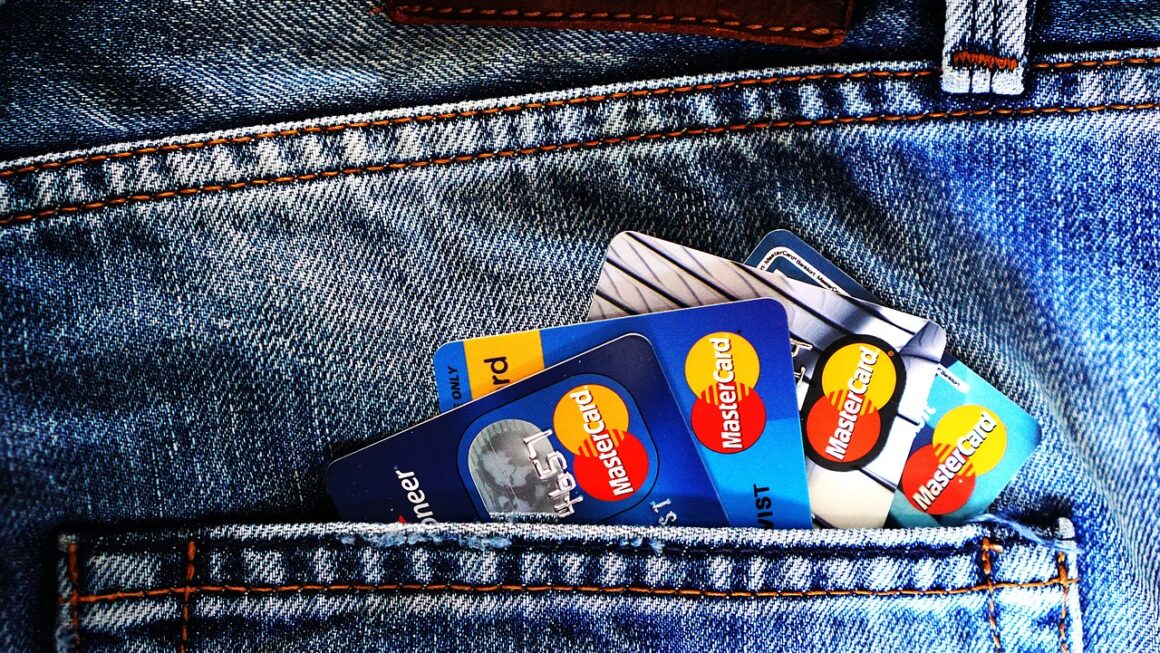
Boosting your credit score can feel like navigating a complex maze. A good credit score unlocks better interest rates on loans and credit cards, making it essential for financial well-being. Whether you’re planning to buy a house, finance a car, or simply want to secure the best deals on everyday purchases, understanding how to improve your credit is a worthwhile endeavor. Let’s explore proven strategies to help you increase your credit score and achieve your financial goals.
Understanding Your Credit Score
What Makes Up Your Credit Score?
Your credit score isn’t just a random number; it’s a snapshot of your creditworthiness based on your credit history. Understanding the key factors influencing your score is crucial for improvement. The most commonly used scoring models, FICO and VantageScore, consider these elements:
- Payment History (35%): This is the most significant factor. Paying bills on time, every time, is critical.
- Amounts Owed (30%): This refers to the amount of credit you’re using compared to your total available credit (credit utilization). Aim to keep this below 30%.
- Length of Credit History (15%): A longer credit history generally translates to a better score.
- Credit Mix (10%): Having a mix of credit accounts, such as credit cards, installment loans, and mortgages, can positively impact your score.
- New Credit (10%): Opening too many new credit accounts in a short period can lower your score.
How to Check Your Credit Report
It’s essential to regularly check your credit report for errors or inaccuracies. You can access a free copy of your credit report from each of the three major credit bureaus (Equifax, Experian, and TransUnion) once a year at AnnualCreditReport.com. Carefully review each report and dispute any errors you find with the respective credit bureau. Correcting errors can significantly improve your credit score. For example, if a late payment is incorrectly reported, disputing it can remove that negative mark from your record.
Why Your Credit Score Matters
A good credit score opens doors to numerous financial benefits. It allows you to:
- Secure lower interest rates on loans, saving you thousands of dollars over the life of the loan.
- Get approved for better credit cards with rewards and perks.
- Qualify for lower insurance premiums.
- Rent an apartment more easily.
- Potentially improve your employment prospects (some employers check credit as part of their background checks).
Paying Your Bills on Time
The Importance of Timely Payments
As payment history comprises 35% of your credit score, consistently paying your bills on time is paramount. Even one missed payment can negatively impact your score. Set up reminders and automate payments to avoid late fees and maintain a positive payment history.
Strategies for Avoiding Late Payments
- Automate Payments: Set up automatic payments for recurring bills, such as utilities, loans, and credit card payments.
- Set Reminders: Use calendar apps or financial management tools to remind you of upcoming due dates.
- Prioritize Bills: Make a list of all your bills and prioritize them based on due date and amount.
- Contact Creditors: If you’re struggling to make a payment, contact your creditor to discuss potential options like a payment plan or hardship program.
For example, consider using a budgeting app that sends you notifications days before a bill is due. This simple step can significantly reduce the risk of missing a payment.
Dealing with Past Late Payments
If you have past late payments on your credit report, don’t despair. While they will impact your score for a while, their influence diminishes over time. Focus on establishing a consistent record of on-time payments going forward. You can also write a goodwill letter to the creditor, explaining the circumstances that led to the late payment and requesting that they remove it from your credit report. While there’s no guarantee, it’s worth a try.
Lowering Your Credit Utilization
Understanding Credit Utilization Ratio
Credit utilization is the amount of credit you’re using compared to your total available credit. For example, if you have a credit card with a $1,000 limit and you owe $300, your credit utilization is 30%. Aim to keep your credit utilization below 30% for optimal results. Some experts recommend keeping it below 10%.
Strategies to Lower Credit Utilization
- Pay Down Balances: The most direct way to lower your credit utilization is to pay down your credit card balances.
- Increase Credit Limits: Contact your credit card issuers and request a credit limit increase. A higher credit limit means lower utilization, even if your spending remains the same. However, avoid increasing your spending just because you have more available credit.
- Open a New Credit Card: Opening a new credit card can increase your overall available credit, thereby lowering your utilization ratio. However, only do this if you can manage the new account responsibly.
- Balance Transfers: Transferring high balances to a card with a lower interest rate can help you pay them down faster.
For instance, if you have a credit card with a $2,000 limit and a $1,000 balance (50% utilization), paying the balance down to $200 (10% utilization) will significantly improve your credit score.
The Benefits of Low Credit Utilization
Maintaining low credit utilization offers several benefits beyond just improving your credit score:
- Demonstrates responsible credit management to lenders.
- Increases your chances of being approved for new credit.
- Saves you money on interest charges.
Building Credit with Alternative Methods
Secured Credit Cards
If you have limited or no credit history, a secured credit card can be a great way to start building credit. A secured card requires a cash deposit that serves as your credit limit. You then use the card like a regular credit card, making purchases and paying your bills on time. After a period of responsible use, some issuers may convert your secured card to an unsecured card and return your deposit.
- Benefits: Easier to get approved for than unsecured cards, helps build credit with responsible use.
- Example: Discover it Secured Credit Card is a popular option.
Credit-Builder Loans
A credit-builder loan is another option for building credit. Unlike a traditional loan, you don’t receive the funds upfront. Instead, you make monthly payments into an account. Once the loan is paid off, you receive the funds. The loan payments are reported to the credit bureaus, helping you establish a positive credit history.
- Benefits: Helps build credit without requiring upfront funds, encourages savings.
- Example: Many credit unions and community banks offer credit-builder loans.
Reporting Rent and Utility Payments
Some credit reporting agencies now allow you to report your rent and utility payments to the credit bureaus. This can be a valuable way to build credit, especially if you have a limited credit history. Services like Experian Boost and RentTrack can help you report these payments.
- Benefits: Can improve credit score by reporting positive payment history, especially beneficial for those with limited credit.
Monitoring Your Credit Regularly
Setting Up Credit Monitoring Alerts
Monitoring your credit report and score regularly is crucial for detecting errors, identifying potential fraud, and tracking your progress. Sign up for credit monitoring services that alert you to changes in your credit report, such as new accounts opened in your name, address changes, or inquiries. Many credit card issuers and financial institutions offer free credit monitoring services to their customers.
Disputing Errors on Your Credit Report
If you find any errors or inaccuracies on your credit report, dispute them with the respective credit bureau. Provide supporting documentation to back up your claim. The credit bureau is required to investigate the dispute and correct any errors.
Tracking Your Progress
Monitoring your credit score regularly allows you to track your progress as you implement strategies to improve it. It can be motivating to see your score gradually increase over time. Use online tools and apps to track your score and identify areas where you can continue to improve.
Conclusion
Boosting your credit score is a journey that requires patience, discipline, and a proactive approach. By understanding the factors that influence your credit score and implementing the strategies outlined above, you can gradually improve your creditworthiness and unlock significant financial benefits. Remember to pay your bills on time, lower your credit utilization, build credit with alternative methods, and monitor your credit regularly. With consistent effort, you can achieve your credit goals and secure a brighter financial future.