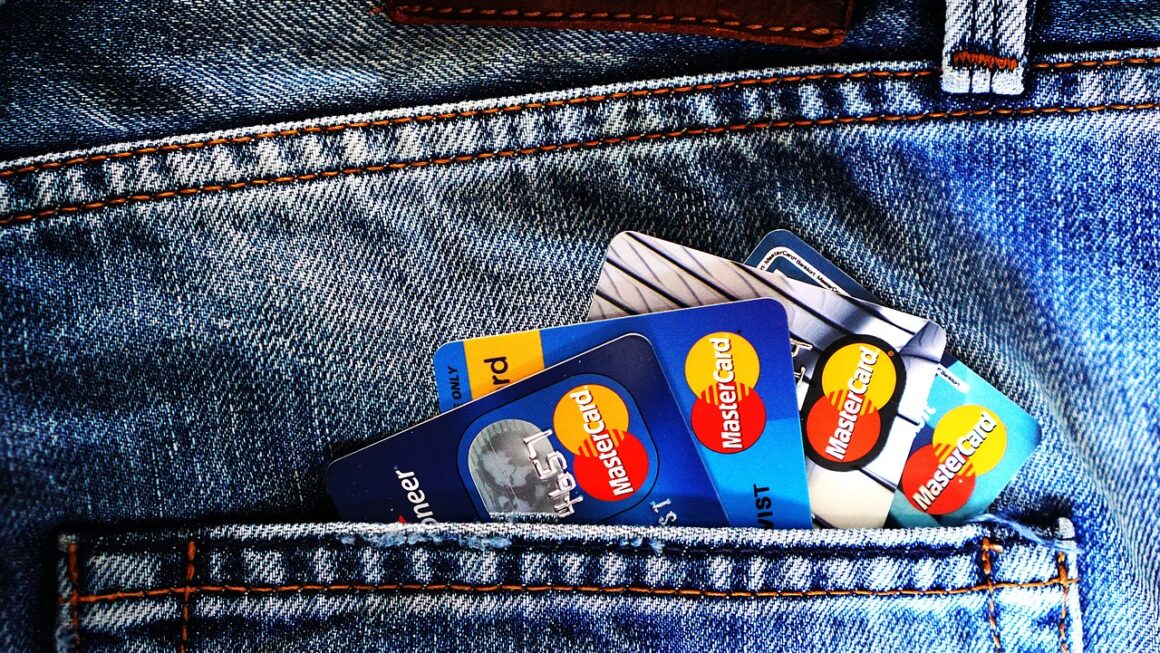
Want to unlock better interest rates on loans, secure your dream apartment, or even just get approved for a credit card with desirable rewards? Then improving your credit score should be a top priority. A good credit score can open doors to financial opportunities and save you significant money over time. This comprehensive guide breaks down proven strategies to boost your credit score, putting you on the path to financial well-being.
Understanding Your Credit Score
What is a Credit Score?
A credit score is a three-digit number that represents your creditworthiness. Lenders use it to assess the risk of lending you money. The higher your score, the lower the risk you represent, and the more likely you are to be approved for credit with favorable terms.
Factors That Influence Your Credit Score
Several factors contribute to your credit score, with payment history being the most significant. Here’s a breakdown:
- Payment History (35%): Paying your bills on time is crucial. Late payments can significantly hurt your score.
- Amounts Owed (30%): This refers to the amount of debt you owe compared to your available credit. Keeping your credit utilization low (ideally below 30%) is important.
- Length of Credit History (15%): A longer credit history generally indicates stability and responsible credit management.
- Credit Mix (10%): Having a mix of credit accounts, such as credit cards, installment loans (like auto loans or mortgages), can positively impact your score.
- New Credit (10%): Opening too many new accounts in a short period can lower your score, as it may indicate increased risk.
Why Knowing Your Score Matters
Knowing your credit score allows you to:
- Identify areas for improvement.
- Track your progress as you implement credit-building strategies.
- Detect errors in your credit report.
- Negotiate better interest rates on loans and credit cards.
Quick Wins: Immediate Steps to Improve Your Credit
Check Your Credit Report for Errors
Errors on your credit report can negatively impact your score. You are entitled to a free credit report from each of the three major credit bureaus (Equifax, Experian, and TransUnion) annually through AnnualCreditReport.com.
- Actionable Takeaway: Obtain your credit reports from all three bureaus. Review them carefully for inaccuracies such as incorrect account information, late payments that you didn’t make, or accounts that don’t belong to you. Dispute any errors with the credit bureau.
Become an Authorized User
If you have a trusted friend or family member with a credit card and a long history of on-time payments, ask them to add you as an authorized user. Their positive credit history will be reflected on your credit report, helping to boost your score. However, if the primary cardholder has poor credit habits, this can negatively affect your score, so choose wisely.
- Example: Your parent has a credit card with a $10,000 limit and a 10-year history of on-time payments. They add you as an authorized user. This immediately adds $10,000 of available credit and 10 years of positive payment history to your credit profile.
Credit Builder Loans
Credit builder loans are designed specifically to help people with little or no credit history establish credit. These loans work by having you make payments into an account, and the lender reports those payments to the credit bureaus. Once the loan is paid off, you receive the funds (minus any fees or interest).
- Example: You take out a credit builder loan for $500 with a 12-month repayment term. Each month, you make a payment of approximately $45. After 12 months, you receive the $500 (potentially less interest and fees), and you’ve built a positive payment history.
Long-Term Strategies for Building Credit
Consistently Pay Bills on Time
This is the most important factor in determining your credit score. Set up automatic payments or reminders to ensure you never miss a due date.
- Practical Tip: Create a spreadsheet or use a budgeting app to track your bills and payment dates. Consider setting up automatic payments for recurring bills like utilities and subscriptions.
Keep Credit Utilization Low
Credit utilization is the amount of credit you’re using compared to your total available credit. Experts recommend keeping it below 30%. For example, if you have a credit card with a $1,000 limit, try to keep your balance below $300.
- Example: You have two credit cards with limits of $500 and $1,000, respectively. To keep your credit utilization below 30%, you should aim to keep your total balance across both cards below $450 ((500+1000)0.30=$450).
- Strategies:
Make multiple payments throughout the month.
Request a credit limit increase (but only if you won’t be tempted to overspend).
Avoid Opening Too Many New Accounts at Once
Opening several new credit accounts in a short period can signal to lenders that you’re a higher risk. Space out your applications and only apply for credit when you truly need it.
- Example: Avoid applying for multiple store credit cards at once just to get discounts. Each application triggers a hard inquiry on your credit report, which can temporarily lower your score.
Maintain a Good Credit Mix
Having a variety of credit accounts, such as credit cards, installment loans, and mortgages, can demonstrate to lenders that you can manage different types of debt responsibly.
- Consider: If you primarily use credit cards, consider adding a small installment loan, such as a secured loan, to diversify your credit mix.
- Caution: Don’t take out loans you don’t need just to improve your credit mix. This could lead to unnecessary debt and financial strain.
Dealing with Negative Marks on Your Credit Report
Dispute Inaccurate Information
If you find errors on your credit report, dispute them directly with the credit bureau. You’ll need to provide documentation to support your claim.
- Process:
1. Gather evidence to support your dispute (e.g., cancelled checks, payment confirmations).
2. Write a letter to the credit bureau explaining the error and including copies of your documentation.
3. Send the letter via certified mail with return receipt requested.
4. The credit bureau has 30 days to investigate and respond to your dispute.
Negotiate a “Pay for Delete” Agreement (Use with Caution)
In some cases, you may be able to negotiate a “pay for delete” agreement with a collection agency. This means that they agree to remove the negative mark from your credit report in exchange for payment of the debt. However, this is not a guaranteed outcome, and some collection agencies may not agree to it.
- Important Note: Get the agreement in writing before* making any payments. Even with a written agreement, there’s no guarantee the collection agency will remove the debt.
Time is Your Ally
Negative information generally stays on your credit report for seven years (bankruptcies can stay for up to 10 years). While you can’t erase the past, focusing on building positive credit habits will help offset the impact of negative marks over time.
- Strategy: Focus on making on-time payments and keeping your credit utilization low. This will demonstrate responsible credit management and gradually improve your score.
Conclusion
Boosting your credit score is a marathon, not a sprint. It requires patience, discipline, and consistent effort. By understanding the factors that influence your score and implementing the strategies outlined above, you can take control of your credit and unlock a world of financial opportunities. Remember to regularly monitor your credit report for errors and celebrate your progress along the way. Improving your credit is an investment in your future financial well-being.