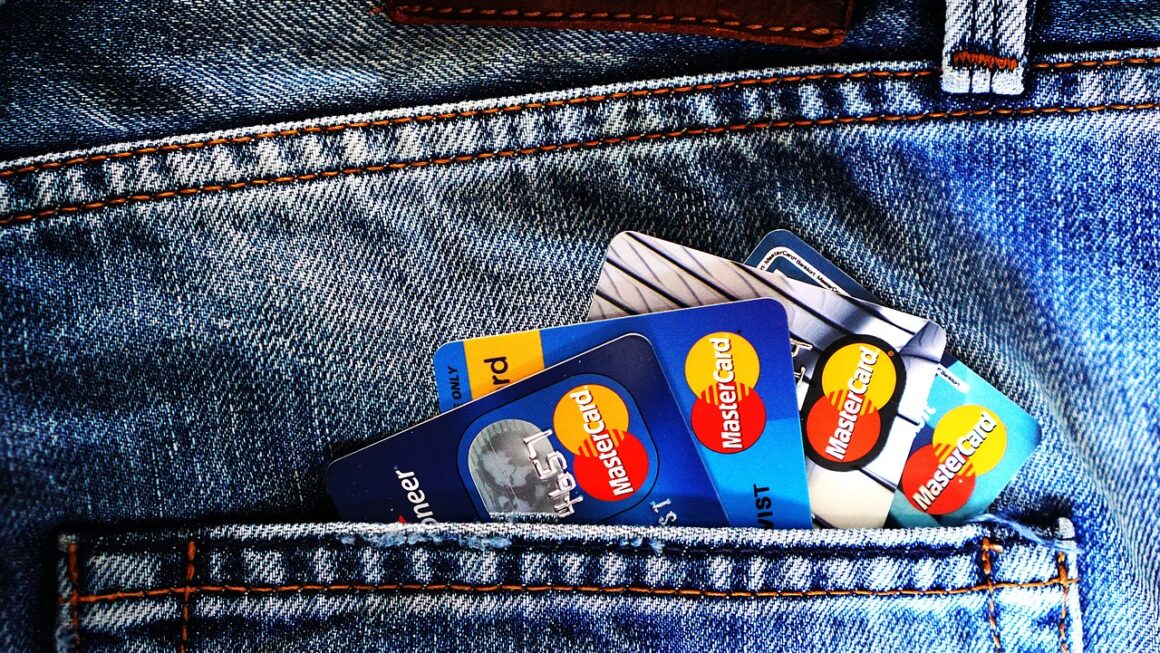
Imagine waking up one morning to discover your bank account drained, credit cards maxed out, and a trail of fraudulent activity leading back to your name. This isn’t a scene from a crime drama; it’s the harsh reality of identity theft, a pervasive threat in our increasingly digital world. Understanding the risks, recognizing the warning signs, and taking proactive steps to protect yourself are crucial for safeguarding your financial well-being and peace of mind.
Understanding Identity Theft
Identity theft occurs when someone steals your personal information, such as your Social Security number, credit card details, or driver’s license, and uses it for fraudulent purposes. This can range from opening new credit accounts to filing false tax returns, leaving you with damaged credit, financial losses, and a significant headache to resolve.
Types of Identity Theft
There are various forms of identity theft, each with its own methods and consequences:
- Financial Identity Theft: This is the most common type, involving the misuse of your financial information to open credit cards, take out loans, or make unauthorized purchases. Example: A thief steals your credit card number and makes online purchases.
- Medical Identity Theft: This involves using your health insurance information to obtain medical care, prescriptions, or file false claims. This can compromise your medical history and lead to inaccurate treatment. Example: Someone uses your insurance to get prescription drugs and then sells them.
- Government Identity Theft: This involves using your Social Security number or other government-issued identification to obtain government benefits or commit other crimes. Example: Filing a fraudulent tax return to claim a refund in your name.
- Criminal Identity Theft: This occurs when someone uses your name and personal information to commit a crime, leading to potential legal issues and a damaged reputation. Example: Giving your name to police when arrested for a crime.
- Child Identity Theft: Unfortunately, children are not immune. Thieves may use a child’s Social Security number because it is often clean and unused.
The Impact of Identity Theft
The consequences of identity theft can be far-reaching and devastating:
- Financial Loss: You could lose money directly from your bank accounts or be responsible for fraudulent charges on your credit cards.
- Damaged Credit Score: Identity theft can negatively impact your credit score, making it difficult to obtain loans, rent an apartment, or even get a job.
- Emotional Distress: Dealing with the aftermath of identity theft can be incredibly stressful and time-consuming.
- Legal Issues: You might face legal problems if someone commits a crime in your name.
- Time and Effort: Restoring your identity and financial well-being can take months or even years, requiring significant time and effort.
How Identity Thieves Operate
Understanding the tactics used by identity thieves is crucial for prevention. They often employ a variety of methods to obtain your personal information.
Common Tactics
- Phishing: Sending fraudulent emails or text messages that appear to be from legitimate organizations, such as banks or credit card companies, to trick you into revealing personal information. Example: An email claiming your bank account has been compromised and asking you to verify your information.
- Smishing: Using SMS (text) messages to conduct phishing scams.
- Vishing: Using phone calls to conduct phishing scams.
- Malware: Infecting your computer or mobile device with malicious software that can steal your passwords and other sensitive data. Example: Downloading a file from an untrusted source that installs a keylogger on your computer.
- Data Breaches: Hacking into databases of companies and organizations that store your personal information. Example: A data breach at a major retailer exposes millions of customers’ credit card numbers.
- Dumpster Diving: Searching through your trash for discarded documents containing personal information. Example: Finding bank statements or credit card applications in your garbage.
- Mail Theft: Stealing mail containing financial statements, credit card bills, or other sensitive documents.
- Skimming: Using a device to steal credit card information from the magnetic stripe of your card when you swipe it at a point-of-sale terminal or ATM. Example: Skimmers are often placed on ATMs, disguised as part of the machine.
Protecting Yourself from These Tactics
- Be cautious of unsolicited emails and phone calls: Never click on links or provide personal information unless you are certain the source is legitimate.
- Install and maintain antivirus software: Keep your antivirus software up to date and run regular scans.
- Use strong, unique passwords: Create complex passwords for all your online accounts and avoid reusing the same password across multiple sites. Use a password manager to help.
- Shred sensitive documents: Shred any documents containing personal information before throwing them away.
- Monitor your credit reports regularly: Check your credit reports from all three major credit bureaus (Equifax, Experian, and TransUnion) at least once a year for any suspicious activity. You can do this for free at AnnualCreditReport.com.
- Be careful when using public Wi-Fi: Avoid accessing sensitive information on public Wi-Fi networks, as they are often unsecured. Use a VPN.
Recognizing the Warning Signs of Identity Theft
Early detection is key to minimizing the damage caused by identity theft. Be vigilant and watch out for these warning signs:
Common Red Flags
- Unexplained charges on your credit card or bank statements: Review your statements carefully and report any suspicious activity immediately. Example: Finding a charge for a store you’ve never shopped at.
- Missing mail or bills: If you stop receiving mail or bills that you normally receive, it could be a sign that someone has changed your address.
- Denials of credit or loans: Being denied credit for no apparent reason could indicate that someone has opened accounts in your name.
- Receiving bills for accounts you didn’t open: This is a clear sign that someone is using your information fraudulently.
- Unfamiliar collection calls or letters: If you receive collection calls or letters for debts you don’t recognize, it could be a sign of identity theft.
- Errors on your credit report: Discrepancies on your credit report, such as accounts you didn’t open or incorrect personal information, should be investigated immediately.
- Data breach notifications: If a company you do business with announces a data breach, take steps to protect your accounts and monitor your credit report.
Actions to Take if You Suspect Identity Theft
- Contact your bank and credit card companies: Report any suspicious activity and close any compromised accounts.
- File a police report: A police report is essential for documenting the crime and can be helpful in resolving disputes with creditors.
- File a complaint with the Federal Trade Commission (FTC): The FTC can provide resources and guidance on how to recover from identity theft. You can file a report online at IdentityTheft.gov.
- Place a fraud alert on your credit reports: A fraud alert requires creditors to verify your identity before opening new accounts in your name. Contact one of the three major credit bureaus, and they will notify the other two.
- Consider a credit freeze: A credit freeze restricts access to your credit report, making it more difficult for identity thieves to open new accounts in your name. You will need to contact each of the three major credit bureaus individually to place a freeze.
Proactive Steps to Protect Your Identity
The best defense against identity theft is prevention. Taking proactive steps to safeguard your personal information can significantly reduce your risk.
Implementing Security Measures
- Secure your Social Security number: Treat your Social Security number like cash. Don’t carry your Social Security card with you and only provide it when absolutely necessary.
- Be careful online: Be cautious about the information you share online, especially on social media.
- Use strong passwords and multi-factor authentication: Use strong, unique passwords for all your online accounts and enable multi-factor authentication whenever possible.
- Keep your software updated: Install software updates promptly to patch security vulnerabilities.
- Use a secure Wi-Fi network: Avoid using public Wi-Fi networks for sensitive transactions.
- Be wary of scams: Be skeptical of unsolicited emails, phone calls, and text messages asking for personal information.
- Monitor your financial accounts regularly: Check your bank and credit card statements frequently for any suspicious activity.
- Shred sensitive documents: Shred any documents containing personal information before throwing them away.
- Invest in an identity theft protection service: These services can monitor your credit report, track your online activity, and provide alerts if they detect any suspicious activity.
- Review your privacy settings: Periodically review the privacy settings on your social media accounts and other online platforms to limit the information you share publicly.
Identity Theft Protection Services
Many companies offer identity theft protection services that can help you monitor your credit report, track your online activity, and provide alerts if they detect any suspicious activity. While these services can be helpful, it’s important to do your research and choose a reputable provider. Some offer additional benefits such as:
- Credit monitoring: Notifies you of changes to your credit report.
- Dark web monitoring: Scans the dark web for your personal information.
- Identity theft insurance: Provides coverage for expenses related to identity theft, such as legal fees and lost wages.
- Identity restoration assistance: Helps you restore your identity if you become a victim of identity theft.
Conclusion
Identity theft is a serious crime that can have devastating consequences. By understanding the risks, recognizing the warning signs, and taking proactive steps to protect your personal information, you can significantly reduce your risk of becoming a victim. Stay vigilant, stay informed, and take control of your identity security. Protecting yourself from identity theft is an ongoing process, not a one-time fix. Regularly review your security measures and stay up-to-date on the latest scams and threats to safeguard your financial well-being and peace of mind.