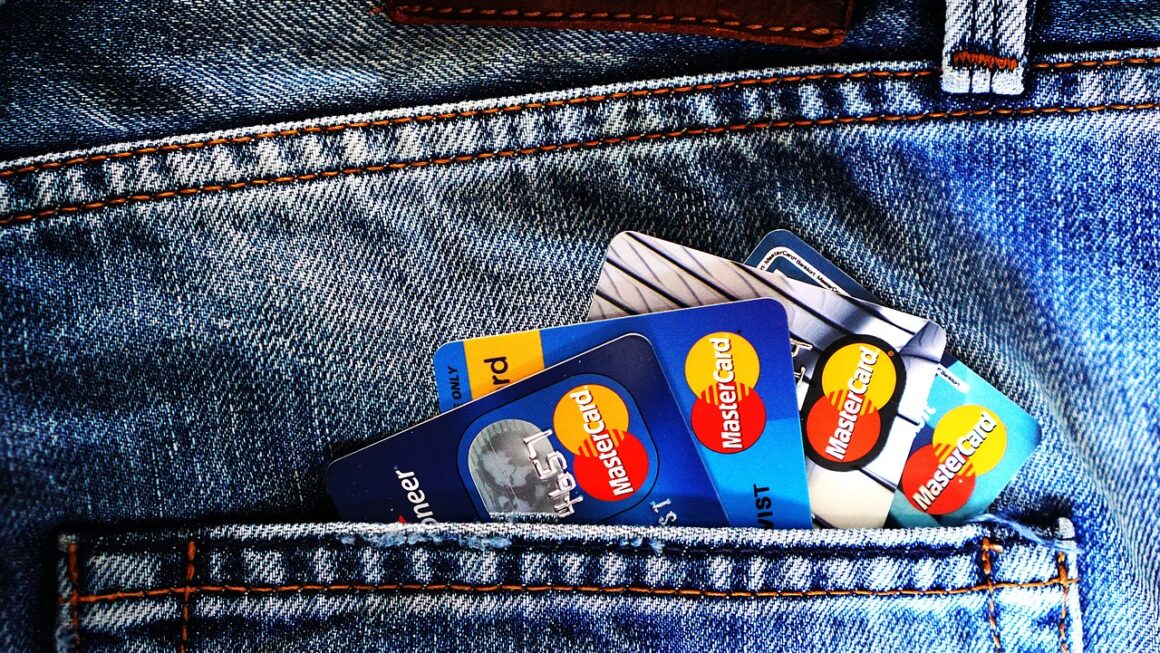
Your credit score is a vital piece of your financial health. It’s the three-digit number that lenders use to determine your creditworthiness, influencing everything from loan interest rates to your ability to rent an apartment. Understanding what impacts your credit score is essential, but unfortunately, there are many misconceptions surrounding this crucial number. Let’s debunk some of the most common credit score myths to help you build and maintain a healthy credit profile.
Myth 1: Checking Your Own Credit Score Hurts It
The Truth About Credit Inquiries
One of the most pervasive credit score myths is that checking your own credit score will lower it. Thankfully, this isn’t true. There are two types of credit inquiries: hard inquiries and soft inquiries.
- Hard Inquiries: These occur when you apply for credit, such as a loan or credit card. Too many hard inquiries in a short period can negatively impact your score because they suggest you’re actively seeking credit and might be a higher risk.
- Soft Inquiries: These occur when you check your own credit score, when a lender pre-approves you for an offer, or when an employer runs a background check. Soft inquiries don’t affect your credit score.
Checking your credit score regularly is actually a responsible financial practice. Services like Credit Karma, Experian, and annualcreditreport.com provide free access to your credit reports and scores without negatively affecting your credit.
Why Checking Your Credit is Important
Regularly monitoring your credit report allows you to:
- Identify and correct errors that could be negatively impacting your score.
- Spot potential fraud or identity theft early on.
- Track your progress in building or rebuilding your credit.
- Understand how lenders view your creditworthiness.
Myth 2: Carrying a Balance on Your Credit Card is Good for Your Score
Understanding Credit Utilization
Many people believe that carrying a balance on your credit card each month demonstrates responsible credit use and boosts your credit score. This is false. While it’s true that using your credit card is important, carrying a balance and paying interest is not the way to improve your credit score.
- Credit Utilization Ratio: Your credit utilization ratio (the amount of credit you’re using compared to your total available credit) is a significant factor in your credit score. Aim to keep your credit utilization below 30%, and ideally below 10%, on each card.
For example, if you have a credit card with a $1,000 limit, try to keep your balance below $300, and ideally below $100. Paying your balance in full each month avoids interest charges and demonstrates responsible credit management.
The Benefits of Paying in Full
Paying your credit card balance in full each month offers several advantages:
- Avoid interest charges, saving you money in the long run.
- Maintain a low credit utilization ratio, boosting your credit score.
- Demonstrate responsible credit management to lenders.
Myth 3: Closing Old Credit Card Accounts Improves Your Credit Score
The Impact of Account Closure
Closing old credit card accounts, especially those with a long history and high credit limits, can actually harm your credit score. This is because it reduces your overall available credit, potentially increasing your credit utilization ratio.
- Length of Credit History: The length of your credit history is a factor in your credit score. Closing older accounts shortens your credit history, which can negatively impact your score.
Example: If you have two credit cards, one with a $5,000 limit and another with a $1,000 limit, and you close the card with the $5,000 limit, you’ve significantly reduced your available credit. If you carry a balance of $1,000, your credit utilization jumps from 16.6% ($1,000/$6,000) to 100% ($1,000/$1,000).
When Closing a Credit Card Might Be Necessary
While generally not recommended, closing a credit card might be necessary in certain situations:
- The card has high annual fees that outweigh the benefits.
- You’re tempted to overspend using the card.
- The card’s interest rate is excessively high and you are struggling to pay it off.
If you must close a credit card, prioritize closing newer accounts with lower credit limits.
Myth 4: Income Affects Your Credit Score
The Relationship Between Income and Credit
Your income is not a direct factor in calculating your credit score. Credit scoring models, such as FICO and VantageScore, don’t consider your income when determining your creditworthiness. However, income can indirectly influence your credit score.
- Debt-to-Income Ratio (DTI): While not part of your credit score, lenders consider your debt-to-income ratio (DTI) when you apply for credit. A higher income can make it easier to manage debt and qualify for loans, but it doesn’t directly improve your credit score.
What Factors Do Affect Your Credit Score?
The primary factors that determine your credit score include:
- Payment History: Making on-time payments is the most important factor.
- Amounts Owed: Keeping your credit utilization low is crucial.
- Length of Credit History: A longer credit history generally helps.
- Credit Mix: Having a mix of credit accounts (e.g., credit cards, loans) can be beneficial.
- New Credit: Limiting the number of new credit accounts you open in a short period is advisable.
Myth 5: Being Married Means You Have a Joint Credit Score
Individual Credit Responsibility
Credit scores are individual, not joint. Getting married doesn’t automatically combine your credit history with your spouse’s. Each person maintains their own separate credit report and score.
- Joint Accounts: If you and your spouse open a joint credit card or loan, both of your credit reports will reflect that account activity. Responsible management of joint accounts can positively impact both credit scores, while missed payments can negatively affect both.
How Marriage Can Affect Finances
While you don’t have a joint credit score, your spouse’s credit can impact your ability to obtain loans or mortgages jointly. Lenders often consider both credit scores when evaluating a joint application. If one spouse has poor credit, it can limit your options or lead to higher interest rates.
Myth 6: Debit Cards Build Credit
Credit vs. Debit
Using a debit card for purchases, even frequent ones, does not build your credit history or improve your credit score. Debit cards are linked directly to your bank account and don’t involve borrowing money, so the activity isn’t reported to credit bureaus.
- Building Credit Requires Credit: To build or rebuild credit, you need to use products that report to the credit bureaus. This includes credit cards, secured credit cards, credit-builder loans, and other types of loans.
Alternatives to Building Credit with Debit
If you’re looking to build credit and primarily use debit cards, consider these options:
- Secured Credit Card: Requires a cash deposit as collateral.
- Credit-Builder Loan: A small loan designed to help you build credit through on-time payments.
- Authorized User: Becoming an authorized user on a responsible credit cardholder’s account.
- Report Rent and Utilities: Some services allow you to report your rent and utility payments to credit bureaus.
Conclusion
Understanding and debunking these common credit score myths is crucial for managing your financial health effectively. By focusing on the actual factors that influence your credit score – like payment history, credit utilization, and length of credit history – and avoiding common misconceptions, you can take control of your credit and achieve your financial goals. Regularly monitor your credit report, practice responsible credit management, and make informed decisions about your finances to maintain a healthy credit profile.