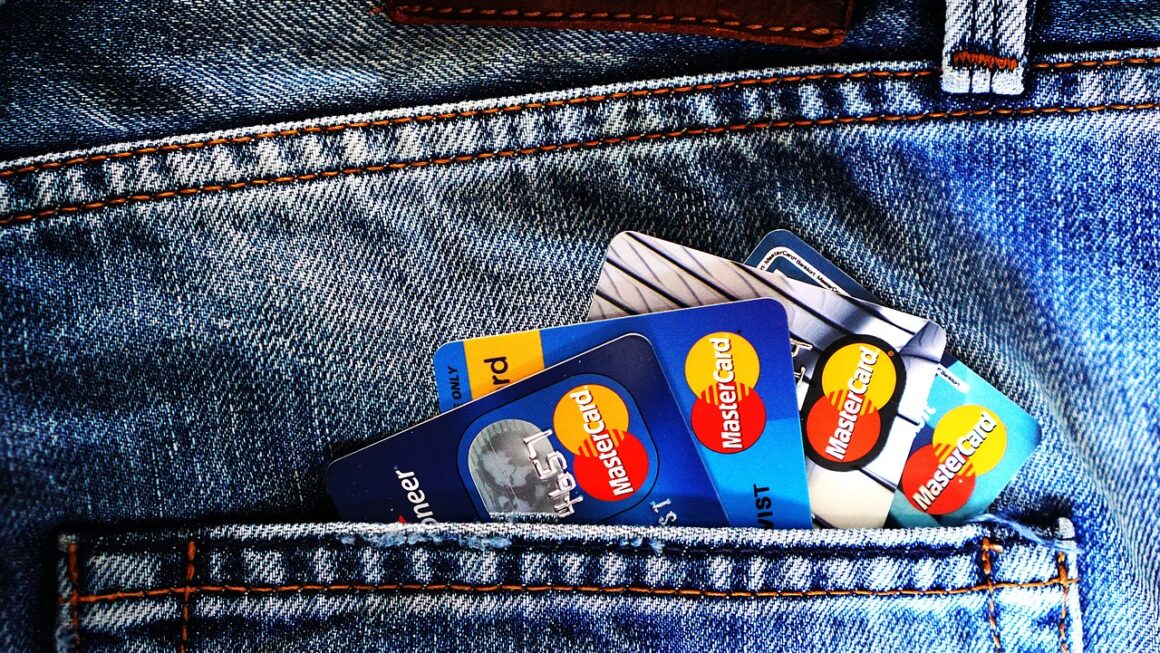
Credit monitoring services are becoming increasingly essential in today’s digital age, where data breaches and identity theft are rampant. Knowing that your personal information is vulnerable can be unsettling, but with proactive credit monitoring, you can gain peace of mind and protect your financial well-being. This guide will walk you through the ins and outs of credit monitoring, helping you understand its benefits, how it works, and how to choose the right service for your needs.
Understanding Credit Monitoring
What is Credit Monitoring?
Credit monitoring is a service that tracks your credit report for changes and potential signs of fraud. It alerts you when new accounts are opened in your name, when inquiries are made on your credit report, or when there are changes to your personal information, such as address updates. Think of it as an early warning system for identity theft and financial fraud.
Why is Credit Monitoring Important?
In a world where data breaches are common, and identity theft is a significant concern, credit monitoring offers a critical layer of protection. The sooner you are alerted to suspicious activity, the quicker you can take action to mitigate the damage. Here’s why it matters:
- Early Detection: Credit monitoring provides real-time or near real-time alerts, enabling you to address potential fraud quickly.
- Fraud Prevention: By identifying suspicious activity promptly, you can prevent identity thieves from causing further financial harm.
- Peace of Mind: Knowing that your credit is being monitored allows you to rest easy, secure in the knowledge that you’ll be alerted to potential issues.
- Financial Health: Monitoring your credit helps you stay on top of your overall financial health and address any discrepancies or errors on your report.
According to the Federal Trade Commission (FTC), millions of Americans are affected by identity theft each year, resulting in significant financial losses. Credit monitoring can help you minimize your risk.
How Credit Monitoring Works
Credit Reports and Credit Bureaus
Credit monitoring services work by accessing your credit reports from the three major credit bureaus: Equifax, Experian, and TransUnion. These bureaus compile information about your credit history, including payment history, outstanding debts, and credit utilization.
Here’s a quick overview of the credit bureaus:
- Equifax: One of the largest credit bureaus, providing credit information and monitoring services.
- Experian: Another major player in the credit reporting industry, offering a wide range of credit-related products and services.
- TransUnion: Completes the trio, providing credit reports and scores to lenders and consumers alike.
The Monitoring Process
Once you subscribe to a credit monitoring service, it begins tracking your credit reports. The service looks for specific changes, such as:
- New credit accounts opened in your name
- Changes to your address or other personal information
- Inquiries made on your credit report
- Delinquent payments or accounts sent to collections
- Public records, such as bankruptcies
When any of these changes occur, the credit monitoring service sends you an alert, usually via email, SMS, or a mobile app notification. You can then review the activity and determine if it is legitimate or potentially fraudulent.
Example Scenario
Suppose you receive an alert that a new credit card account has been opened in your name at a store you’ve never shopped at. This is a red flag. You can immediately contact the credit bureau and the store to report the fraudulent account and take steps to prevent further damage.
Choosing a Credit Monitoring Service
Types of Credit Monitoring Services
There are various credit monitoring services available, ranging from free to premium options. The best choice for you will depend on your needs and budget.
- Free Services: Some banks and credit card issuers offer free credit monitoring as a perk for their customers. These services often provide basic monitoring and alerts.
- Credit Bureau Services: Equifax, Experian, and TransUnion offer their own credit monitoring services, which typically provide more comprehensive coverage, including access to your credit reports and scores.
- Third-Party Services: Numerous companies specialize in credit monitoring, offering a range of features and pricing options. These services may include identity theft insurance, fraud resolution support, and dark web monitoring.
Features to Consider
When selecting a credit monitoring service, consider the following features:
- Credit Report Access: The ability to access your credit reports from all three bureaus.
- Credit Score Tracking: Regular updates on your credit scores.
- Alerts: Timely alerts for changes to your credit reports.
- Identity Theft Insurance: Coverage for expenses related to identity theft, such as legal fees and lost wages.
- Fraud Resolution Support: Assistance in resolving fraudulent activity and restoring your credit.
- Dark Web Monitoring: Scanning the dark web for your personal information, such as Social Security number and email addresses.
Cost vs. Benefit
While free credit monitoring services can be a good starting point, they often lack the comprehensive features of paid services. Consider the potential cost of identity theft and the value of the peace of mind that comes with more robust protection when making your decision. Review different plans carefully to understand exactly what you are getting.
Taking Action on Credit Monitoring Alerts
Verifying the Alert
When you receive a credit monitoring alert, the first step is to verify whether the activity is legitimate. If you recognize the account or transaction, there’s likely no cause for concern. However, if the activity is unfamiliar, proceed with caution.
Reporting Fraudulent Activity
If you suspect fraud, take the following steps:
Example of Resolving Fraud
Let’s say you receive an alert about a new loan application you didn’t initiate. You immediately contact the credit bureau, which confirms that the application is indeed fraudulent. You then contact the lender, provide them with the police report and FTC complaint, and they close the fraudulent application. You also place a credit freeze to prevent further unauthorized activity.
Maintaining Good Credit Habits
Regularly Review Your Credit Reports
Even with credit monitoring in place, it’s essential to review your credit reports periodically. You can obtain free credit reports from each of the three major credit bureaus annually through AnnualCreditReport.com.
Practice Good Financial Hygiene
Protecting your personal information is crucial for preventing identity theft. Follow these tips:
- Shred documents containing sensitive information.
- Use strong, unique passwords for your online accounts.
- Be wary of phishing emails and scams.
- Monitor your bank and credit card statements regularly.
- Secure your mail and consider using a locked mailbox.
Educate Yourself
Stay informed about the latest identity theft scams and prevention techniques. The more you know, the better equipped you’ll be to protect yourself.
Conclusion
Credit monitoring is a valuable tool for safeguarding your financial well-being and protecting yourself from identity theft. By understanding how credit monitoring works, choosing the right service, and taking prompt action on alerts, you can minimize your risk and maintain control over your credit. While no system is foolproof, proactive credit monitoring provides an important layer of security in today’s increasingly digital world. Taking steps to protect your credit is an investment in your financial future and your peace of mind.