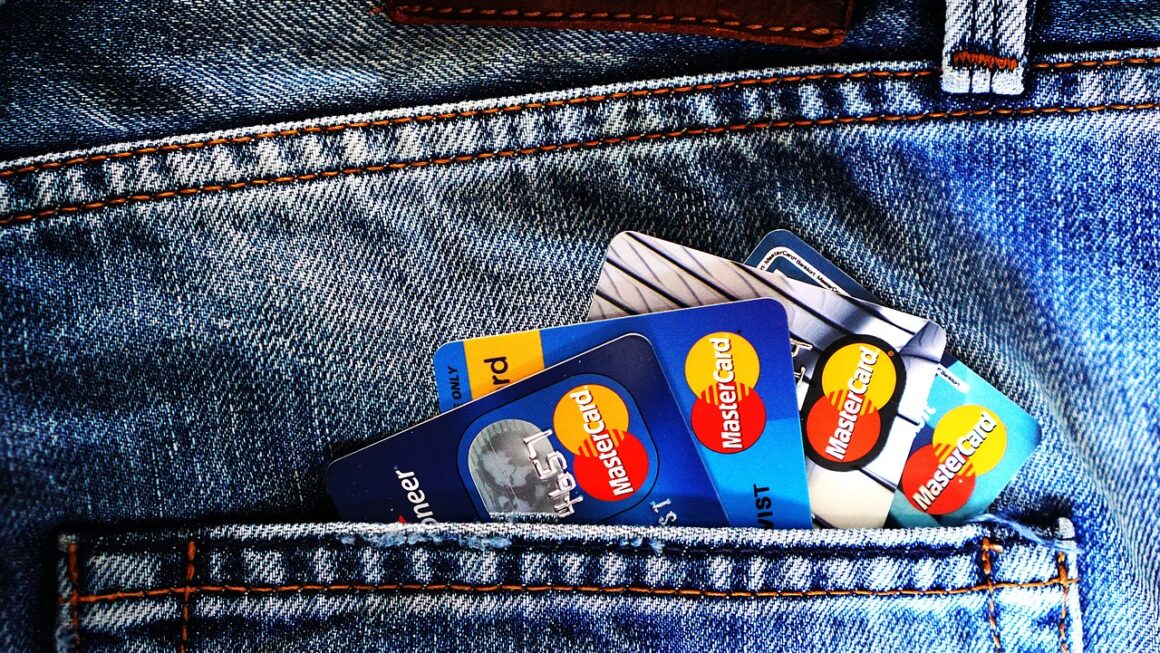
Navigating the world of credit can feel like deciphering a complex code. Your credit score is a key that unlocks favorable interest rates on loans, mortgages, and even insurance policies. Understanding and actively monitoring your credit score is no longer a luxury, but a necessity for financial well-being. Fortunately, a credit score tracker provides a powerful tool for staying on top of your credit health and making informed financial decisions.
What is a Credit Score Tracker?
Definition and Functionality
A credit score tracker is a service, often offered online or through financial institutions, that allows you to monitor changes to your credit score and credit report. It provides regular updates on your credit score from one or more of the major credit bureaus (Equifax, Experian, and TransUnion). These trackers also offer insights into the factors influencing your score, empowering you to take proactive steps to improve your creditworthiness.
Why Use a Credit Score Tracker?
- Early Detection of Errors: Credit reports can contain errors that negatively impact your score. A tracker allows you to identify and dispute these inaccuracies promptly.
- Fraud Monitoring: Unexplained drops in your credit score could signal identity theft or fraudulent activity. Trackers provide alerts to suspicious activity, helping you react quickly.
- Progress Tracking: Monitoring your score helps you see the results of your efforts to improve your credit. Did paying down debt improve your score? A tracker shows you the impact.
- Informed Financial Decisions: Knowing your credit score allows you to shop for the best interest rates on loans and credit cards, saving you money in the long run.
Examples of Credit Score Trackers
Several options are available, each with its own features and costs. Some popular choices include:
- Credit Karma: A free service offering credit scores and reports from TransUnion and Equifax. It also provides credit monitoring and personalized recommendations.
- Experian: Offers a free version with a credit score and report from Experian, and a premium version with scores and reports from all three bureaus, plus more advanced monitoring features.
- myFICO: The official source of FICO scores, providing access to scores from all three bureaus and detailed reports. This is generally a paid service.
- Credit Sesame: Offers free credit scores and reports from TransUnion, as well as credit monitoring and identity theft protection.
Benefits of Regularly Monitoring Your Credit Score
Financial Advantages
The most significant benefit of tracking your credit score lies in the financial advantages it unlocks. A higher credit score translates to better terms on loans and credit cards.
- Lower Interest Rates: A good credit score can save you thousands of dollars in interest payments on mortgages, auto loans, and personal loans.
Example: A difference of just 50 points on your credit score can mean the difference between a 6% and an 8% interest rate on a mortgage. Over 30 years, that can add up to tens of thousands of dollars.
- Improved Credit Card Offers: Gain access to credit cards with lower interest rates, higher credit limits, and better rewards programs.
- Better Insurance Rates: Some insurance companies use credit scores to determine premiums. A good credit score can lead to lower insurance costs.
- Easier Approval for Loans and Credit: A strong credit score increases your chances of being approved for loans, credit cards, and rental properties.
Personal Benefits
Beyond the direct financial gains, monitoring your credit offers peace of mind and empowers you to take control of your financial future.
- Increased Financial Awareness: Regular monitoring fosters a deeper understanding of your credit health and its impact on your financial life.
- Early Detection of Identity Theft: Quickly identify and address fraudulent activity that could damage your credit score and finances.
- Improved Financial Planning: Use your credit score as a benchmark for setting and achieving financial goals, such as buying a home or starting a business.
How to Choose the Right Credit Score Tracker
Consider Your Needs and Budget
Before selecting a credit score tracker, assess your individual needs and financial situation.
- Free vs. Paid: Determine if a free service meets your requirements, or if you need the more comprehensive features of a paid subscription.
- Number of Credit Bureaus: Decide if you need scores and reports from all three bureaus, or if monitoring one or two is sufficient.
- Additional Features: Consider features like credit monitoring, identity theft protection, and personalized recommendations.
- Ease of Use: Choose a tracker with a user-friendly interface that is easy to navigate and understand.
Compare Features and Services
Carefully compare the features and services offered by different credit score trackers.
- Credit Score Updates: How often is your credit score updated? Daily, weekly, or monthly?
- Credit Monitoring: Does the tracker offer alerts for suspicious activity, such as new accounts opened in your name?
- Credit Report Access: Can you easily access your full credit report through the tracker?
- Personalized Recommendations: Does the tracker offer suggestions for improving your credit score?
- Customer Support: Is customer support available if you have questions or issues?
Read Reviews and Testimonials
Before committing to a particular credit score tracker, read reviews and testimonials from other users. This can provide valuable insights into the service’s reliability, accuracy, and customer support. Look for reputable sources of reviews, such as consumer websites and financial publications.
Tips for Improving Your Credit Score
Payment History
- Pay Bills on Time: Payment history is the most important factor in your credit score. Set up automatic payments to avoid missed deadlines.
- Stay Current on Debt Obligations: Keep all your accounts in good standing, including credit cards, loans, and utility bills.
Credit Utilization
- Keep Credit Card Balances Low: Aim to use less than 30% of your available credit on each card. Ideally, keep it below 10%.
Example: If you have a credit card with a $1,000 limit, try to keep your balance below $300 (or even better, $100).
- Avoid Maxing Out Credit Cards: Maxing out credit cards can significantly lower your credit score.
Credit Mix and Length of Credit History
- Maintain a Variety of Credit Accounts: Having a mix of credit cards, loans, and other types of credit can improve your score.
- Keep Old Accounts Open: Even if you don’t use them regularly, keeping older credit accounts open can help your credit score by demonstrating a longer credit history. Be sure to use them occasionally to keep them active.
Other Factors
- Dispute Errors on Your Credit Report: Regularly review your credit report and dispute any inaccuracies you find.
- Avoid Applying for Too Much Credit at Once: Applying for multiple credit cards or loans within a short period can lower your credit score.
- Become an Authorized User: If you have a friend or family member with good credit, becoming an authorized user on their credit card can help build your credit history.
Conclusion
A credit score tracker is a valuable tool for anyone looking to monitor, manage, and improve their credit health. By providing regular updates on your credit score, identifying potential errors and fraudulent activity, and offering personalized recommendations, these services empower you to take control of your financial future. Choose the right tracker for your needs, monitor your credit regularly, and implement the tips outlined above to build and maintain a strong credit score. The effort you invest in managing your credit will pay off in the form of lower interest rates, better financial opportunities, and greater peace of mind.