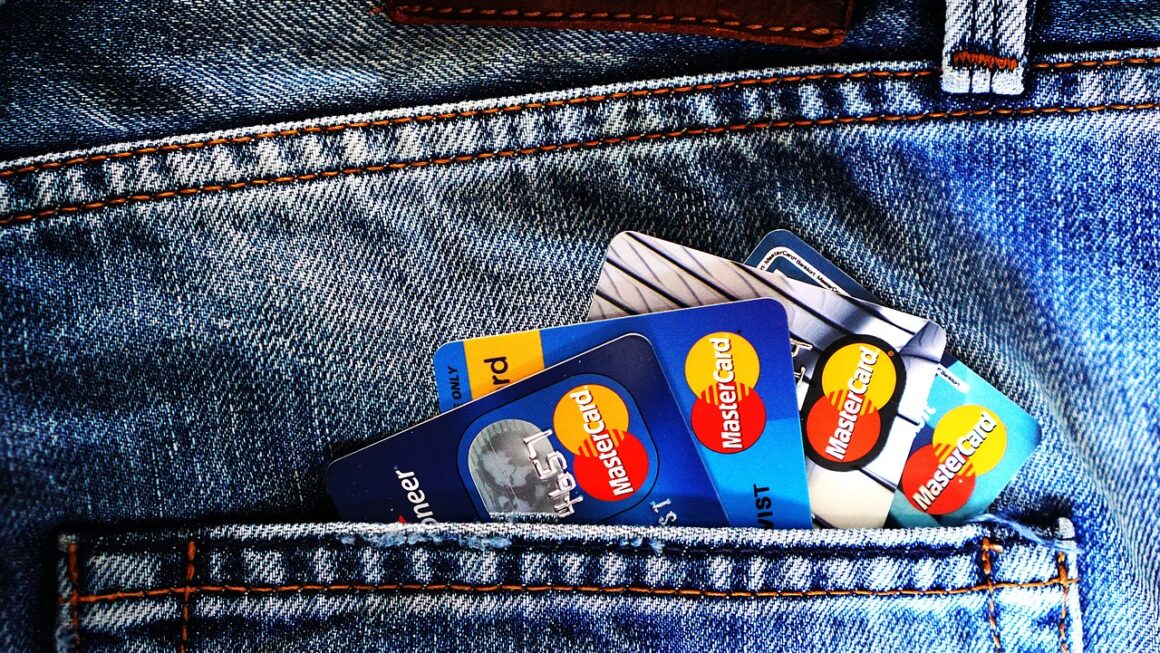
Your financial health is a complex picture, and at the heart of it lies your credit report. Credit bureaus are the unsung heroes (or villains, depending on your perspective) that collect and maintain the data that forms the basis of this vital document. Understanding how credit bureaus operate, what information they collect, and how they impact your financial life is essential for navigating the world of loans, mortgages, and even job applications. This guide will delve into the inner workings of credit bureaus, empowering you to take control of your credit and secure your financial future.
What is a Credit Bureau?
The Role of Credit Bureaus
A credit bureau, also known as a credit reporting agency (CRA), is a company that collects credit information about individuals and businesses. They compile this information into credit reports, which are then used by lenders, creditors, and other businesses to assess creditworthiness. Think of them as the record keepers of your financial reputation.
- Collect and store data on credit accounts.
- Generate credit reports upon request from authorized parties.
- Calculate credit scores based on the information in your credit report.
- Resolve disputes regarding inaccurate information on your credit report.
The Three Major Credit Bureaus
In the United States, there are three major credit bureaus that dominate the market:
- Equifax: One of the largest credit bureaus, holding credit data on hundreds of millions of consumers.
- Experian: Another major player in the industry, offering credit reports, scores, and monitoring services.
- TransUnion: A leading global information solutions company that provides credit and risk management services.
While these are the main players, smaller credit bureaus also exist, often specializing in niche markets or specific types of credit data.
How Credit Bureaus Get Their Information
Credit bureaus don’t magically conjure up your financial history. They receive information from a variety of sources:
- Lenders: Banks, credit card companies, mortgage lenders, and other financial institutions regularly report account information to the bureaus. This includes payment history, credit limits, and account balances.
- Collection Agencies: If you have an account that goes into collections, the collection agency will likely report this information to the credit bureaus.
- Public Records: Certain public records, such as bankruptcies and court judgments, are also included in your credit report.
- Service Providers: In some cases, utility companies (phone, electricity, gas) and landlords may report payment information to the credit bureaus, although this is less common.
Understanding Your Credit Report
What’s Included in Your Credit Report?
Your credit report is a detailed summary of your credit history. It contains a wealth of information that lenders use to assess your creditworthiness.
- Personal Information: Your name, address, Social Security number, and date of birth.
- Credit Accounts: A list of your credit accounts, including credit cards, loans, and lines of credit. For each account, the report will show the account type, credit limit or loan amount, payment history, and current balance.
- Public Records: Information from public records, such as bankruptcies, foreclosures, and court judgments.
- Inquiries: A list of companies that have accessed your credit report. There are two types of inquiries: hard inquiries (which can affect your credit score) and soft inquiries (which don’t).
Example: Imagine you have a credit card with a $5,000 limit. Your credit report will show the name of the credit card issuer, your account number, the date you opened the account, your credit limit, your current balance, and your payment history for the past several years.
How to Obtain Your Credit Report
You have the right to access your credit report for free from each of the three major credit bureaus once every 12 months. You can do this through AnnualCreditReport.com. This is a government-mandated website that provides free access to your credit reports.
- Visit AnnualCreditReport.com.
- Follow the instructions to request your credit reports from Equifax, Experian, and TransUnion.
- Review your credit reports carefully for any errors or inaccuracies.
- Consider staggering your requests throughout the year (e.g., one report every four months) so that you can monitor your credit on a more regular basis.
Why Reviewing Your Credit Report is Crucial
Regularly reviewing your credit report is essential for several reasons:
- Identify Errors: Mistakes can happen. Incorrect information on your credit report can negatively impact your credit score and your ability to get approved for loans.
- Detect Identity Theft: Monitoring your credit report can help you identify fraudulent activity, such as accounts opened in your name without your knowledge.
- Track Progress: Reviewing your credit report allows you to track your progress in improving your credit score.
- Prepare for Major Purchases: If you’re planning to apply for a mortgage or other large loan, it’s a good idea to review your credit report well in advance so you can address any issues before applying.
Credit Scores: The Numbers that Matter
What is a Credit Score?
A credit score is a three-digit number that summarizes your creditworthiness. It’s based on the information in your credit report and is used by lenders to assess your risk of default.
- A numerical representation of your credit risk.
- Calculated using complex algorithms based on credit report data.
- Ranges from 300 to 850 (although some models use different ranges).
- A higher score indicates lower credit risk.
Common Credit Scoring Models
The most widely used credit scoring model is FICO (Fair Isaac Corporation). However, there are other scoring models, such as VantageScore, that are also used by lenders.
- FICO Score: The most popular credit scoring model.
- VantageScore: A competing credit scoring model developed by the three major credit bureaus.
While the specific algorithms used to calculate these scores are proprietary, they generally consider the following factors:
- Payment History: The most important factor. Paying your bills on time is crucial for maintaining a good credit score.
- Amounts Owed: The amount of debt you owe, particularly your credit utilization ratio (the amount of credit you’re using compared to your available credit).
- Length of Credit History: A longer credit history generally results in a higher credit score.
- Credit Mix: Having a mix of different types of credit accounts (e.g., credit cards, loans, mortgages) can be beneficial.
- New Credit: Opening too many new credit accounts in a short period of time can lower your credit score.
How Credit Scores Impact Your Financial Life
Your credit score plays a significant role in many aspects of your financial life:
- Loan Approvals: Lenders use your credit score to determine whether to approve your loan application.
- Interest Rates: A higher credit score will typically result in lower interest rates on loans and credit cards.
- Credit Limits: Your credit score can influence the credit limit you’re offered on credit cards.
- Insurance Premiums: In some states, insurance companies use credit scores to determine insurance premiums.
- Rental Applications: Landlords often check credit scores when evaluating rental applications.
- Employment: Some employers may check credit scores as part of the hiring process, particularly for positions that involve handling finances.
Example: Let’s say you’re applying for a mortgage. With a credit score of 750, you might qualify for an interest rate of 3.5%. However, with a credit score of 650, you might only qualify for an interest rate of 4.5%. Over the life of a 30-year mortgage, this difference can add up to tens of thousands of dollars.
Correcting Errors and Disputing Information
Identifying Inaccuracies on Your Credit Report
As mentioned earlier, it’s essential to review your credit report regularly to identify any errors or inaccuracies. Common errors include:
- Incorrect personal information (e.g., misspelled name, wrong address).
- Accounts that don’t belong to you (potentially due to identity theft).
- Incorrect payment history (e.g., late payments reported when you paid on time).
- Duplicate accounts.
- Closed accounts that are reported as open.
- Incorrect credit limits or loan amounts.
The Dispute Process
If you find an error on your credit report, you have the right to dispute it with the credit bureau. Here’s how the dispute process typically works:
Sample Dispute Letter (Adapt to your specific situation)
[Your Name]
[Your Address]
[Your Phone Number]
[Your Email Address]
[Date]
[Credit Bureau Name]
[Credit Bureau Address]
Subject: Dispute of Inaccurate Information on Credit Report
Dear [Credit Bureau Name],
I am writing to dispute inaccurate information on my credit report, which I obtained on [Date]. The following information is incorrect:
* Account Name: [Account Name]
Account Number: [Account Number]
Incorrect Information: [Explain the specific error, e.g., “This account is listed as late, but I have documentation showing that I made all payments on time.”]
I have attached copies of [Supporting Documents] to support my claim.
I request that you investigate this matter and correct the inaccurate information on my credit report. Please send me written confirmation of the correction once it has been made.
Thank you for your time and attention to this matter.
Sincerely,
[Your Signature]
[Your Typed Name]
Protecting Your Credit and Preventing Identity Theft
Security Freezes and Fraud Alerts
To protect your credit from unauthorized access, consider placing a security freeze or a fraud alert on your credit report.
- Security Freeze: A security freeze restricts access to your credit report, preventing lenders from viewing it. This makes it more difficult for identity thieves to open new accounts in your name. You can lift the freeze temporarily when you need to apply for credit.
- Fraud Alert: A fraud alert requires lenders to take extra steps to verify your identity before opening a new account in your name. There are different types of fraud alerts, including initial fraud alerts (which last for one year) and extended fraud alerts (which last for seven years and require you to file a police report).
Monitoring Your Credit Regularly
Regular credit monitoring can help you detect suspicious activity early and take steps to protect your credit.
- Free Credit Reports: As mentioned earlier, you can obtain free credit reports from each of the three major credit bureaus once every 12 months.
- Credit Monitoring Services: There are many paid credit monitoring services that provide more frequent updates and alerts. These services can notify you when there are changes to your credit report, such as new accounts opened, address changes, or late payments reported.
Tips for Preventing Identity Theft
Taking proactive steps to protect your personal information can help prevent identity theft.
- Shred Financial Documents: Shred any documents that contain your personal information, such as bank statements, credit card statements, and tax returns.
- Be Careful Online: Be cautious about clicking on links or opening attachments from unknown senders. Use strong passwords and avoid using the same password for multiple accounts.
- Protect Your Social Security Number: Only provide your Social Security number when absolutely necessary.
- Monitor Your Bank Accounts: Regularly check your bank accounts and credit card statements for any unauthorized transactions.
- Secure Your Mail: Collect your mail promptly and consider using a locking mailbox.
Conclusion
Understanding credit bureaus and how they operate is crucial for maintaining a healthy financial life. By regularly reviewing your credit report, disputing errors, protecting your personal information, and taking steps to improve your credit score, you can gain control of your financial future. Remember, your credit report is a valuable asset, and it’s worth taking the time to manage it effectively.