Your credit score is a crucial element of your financial life, influencing everything from loan interest rates to rental applications. While payment history and amounts owed often steal the spotlight, a less-discussed yet significant factor is your credit mix. Having a healthy credit mix demonstrates to lenders that you can responsibly manage various types of credit, making you a more attractive borrower. Let’s dive deep into understanding what credit mix is, why it matters, and how you can build a diverse and positive credit profile.
Understanding Credit Mix: What It Is and Why It Matters
What is Credit Mix?
Credit mix refers to the variety of credit accounts you hold and manage. It’s one of the factors that contribute to your overall credit score, albeit a smaller percentage compared to payment history and credit utilization. A good credit mix demonstrates that you can handle different types of credit responsibly, showcasing your financial competence to lenders.
Why Does Credit Mix Matter?
- Demonstrates Responsible Credit Management: Lenders want to see that you can manage different types of debt.
- Impacts Your Credit Score: While not as influential as payment history, a good mix can positively impact your creditworthiness.
- Builds a Stronger Credit Profile: A varied credit portfolio can make you a more attractive borrower.
- Diversification Reduces Risk: Managing diverse credit accounts showcases your ability to handle various financial obligations.
According to Experian, credit mix typically accounts for about 10% of your FICO score. While not the largest factor, it’s still beneficial to optimize it for the best possible credit rating.
Types of Credit Accounts That Contribute to Credit Mix
Understanding the different types of credit is essential for building a diverse credit mix. Generally, credit accounts fall into two primary categories: revolving credit and installment loans.
Revolving Credit Accounts
Revolving credit allows you to borrow money up to a certain limit and repay it over time. The available credit replenishes as you pay down the balance.
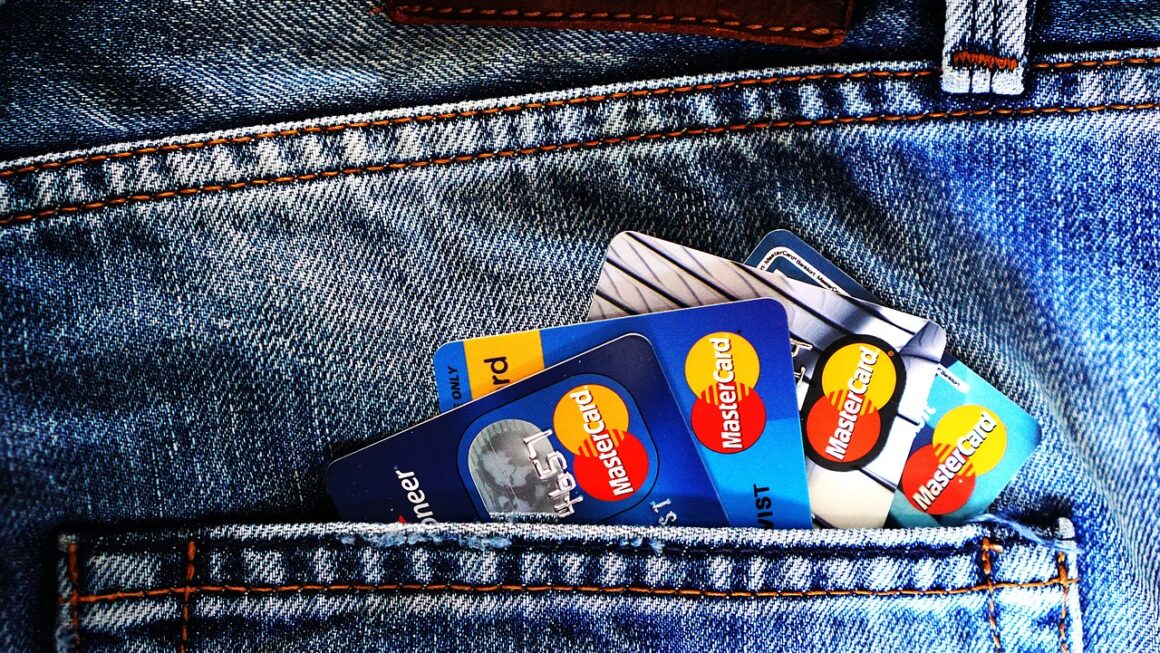
- Credit Cards: The most common form of revolving credit. They include general-purpose cards (Visa, Mastercard, American Express, Discover) and store-specific cards.
Example: Using a credit card for everyday purchases and paying off the balance each month demonstrates responsible revolving credit management.
- Lines of Credit: These accounts offer a set amount of credit that you can access as needed.
Example: A home equity line of credit (HELOC) allows you to borrow against the equity in your home.
Installment Loans
Installment loans provide a fixed amount of money that you repay in equal installments over a set period.
- Mortgages: Loans used to purchase real estate, typically with repayment periods of 15, 20, or 30 years.
- Auto Loans: Loans used to finance the purchase of a vehicle.
- Student Loans: Loans to cover educational expenses, often with deferred payment options.
- Personal Loans: Unsecured loans that can be used for various purposes, such as debt consolidation or home improvements.
How to Build a Healthy Credit Mix
Building a positive credit mix involves strategically adding different types of credit accounts to your portfolio. However, it’s crucial to do so responsibly to avoid overextending yourself.
Evaluate Your Current Credit Profile
- Check Your Credit Report: Obtain your credit report from AnnualCreditReport.com to see the types of accounts you currently have.
- Identify Gaps: Determine which types of credit you’re missing to create a plan to diversify.
Strategically Add Different Credit Types
- Consider a Secured Credit Card: If you have limited credit history, a secured credit card can be a great way to start building revolving credit.
Actionable Takeaway: Use the card for small purchases and pay off the balance in full each month.
- Explore a Credit-Builder Loan: These loans are designed to help you build credit by making regular, fixed payments.
Actionable Takeaway: Make timely payments to demonstrate your ability to manage installment debt.
- Diversify Slowly: Don’t open multiple credit accounts at once, as this can negatively impact your credit score due to hard inquiries and increased debt.
* Example: Instead of applying for three credit cards simultaneously, space out your applications over several months.
Responsible Credit Management: The Key to Success
- Payment History is Paramount: Always prioritize on-time payments. Payment history is the most significant factor in your credit score.
- Keep Credit Utilization Low: Aim to use no more than 30% of your available credit on revolving accounts.
- Avoid Opening Too Many Accounts Quickly: Opening multiple accounts in a short period can signal financial instability to lenders.
Common Misconceptions About Credit Mix
It’s important to clarify some common misconceptions about credit mix to avoid making mistakes that could harm your credit score.
Opening More Accounts Always Improves Your Score
- Reality: Opening too many accounts in a short period can actually lower your score due to hard inquiries and the perception of increased risk. Focus on managing the accounts you have responsibly.
Closing Accounts Improves Credit Mix
- Reality: Closing older credit accounts can reduce your available credit and negatively impact your credit utilization ratio. It’s generally better to keep older accounts open, even if you don’t use them frequently.
Credit Mix is the Most Important Factor
- Reality: While credit mix is a factor, it’s less important than payment history and credit utilization. Prioritize managing your existing accounts responsibly before focusing on diversification.
Conclusion
Building a healthy credit mix is a valuable strategy for improving your overall creditworthiness. By understanding the different types of credit, evaluating your current profile, and strategically adding new accounts, you can demonstrate your ability to manage various financial obligations. However, always prioritize responsible credit management, including on-time payments and low credit utilization, to ensure a positive impact on your credit score. Remember that patience and consistency are key to building a strong and diverse credit profile.