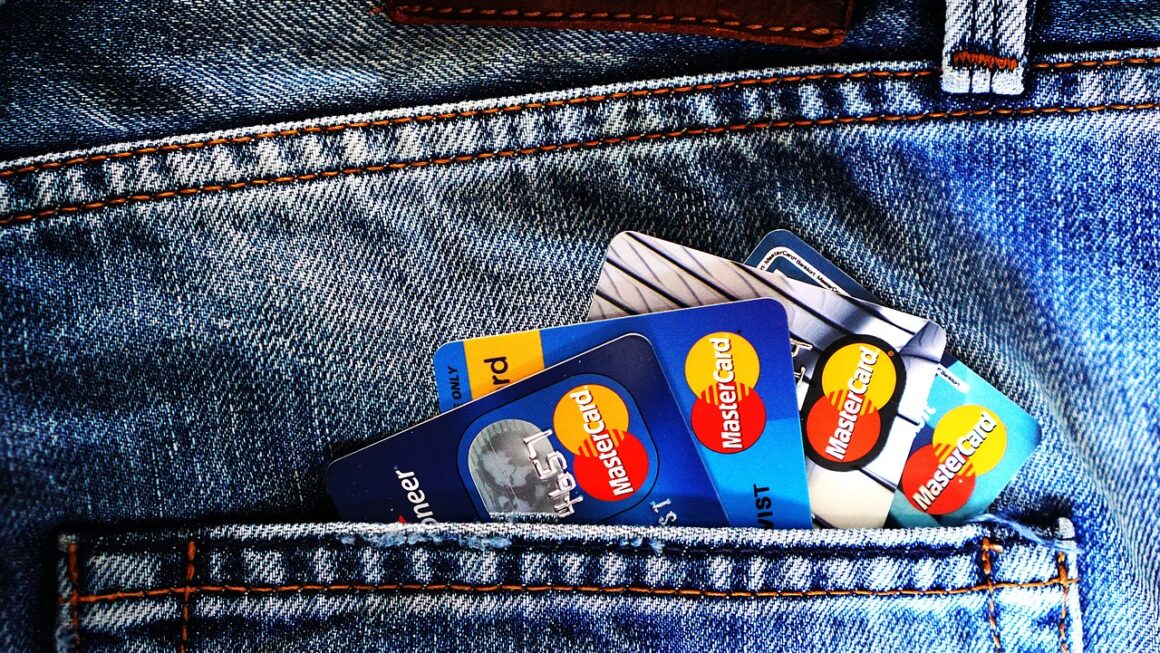
Imagine a world where accessing loans, renting an apartment, or even getting a cell phone contract depends on a single, three-digit number. This isn’t a futuristic dystopia – it’s the reality of modern finance, and that number is your credit score. Understanding how your actions impact this score is crucial for navigating your financial future. This post delves into the intricacies of credit scores, exploring how various financial decisions can influence your standing and ultimately, your access to opportunities.
Understanding Your Credit Score
What is a Credit Score?
Your credit score is a numerical representation of your creditworthiness, predicting the likelihood of you repaying debts on time. Lenders use it to assess risk and determine whether to approve your loan application, as well as the interest rate they’ll offer. The most widely used scoring model is FICO, ranging from 300 to 850, with higher scores indicating lower risk.
The Importance of a Good Credit Score
A good credit score unlocks numerous benefits:
- Lower Interest Rates: Secure loans and credit cards with significantly lower interest rates, saving you money over the long term. For example, a difference of even 1% on a mortgage can save you thousands of dollars over the loan’s lifetime.
- Higher Approval Odds: Increase your chances of getting approved for loans, credit cards, and even rental applications. Landlords often check credit scores to assess a tenant’s reliability.
- Better Credit Card Offers: Access premium credit cards with better rewards programs, travel perks, and higher credit limits.
- Easier Access to Utilities and Services: Avoid security deposits when setting up utilities or cell phone service. Companies often waive deposits for individuals with good credit.
- Insurance Premiums: In some states, insurance companies use credit scores to determine premiums. A good score can lead to lower insurance costs.
Factors That Influence Your Credit Score
Your credit score is determined by several factors, each carrying different weight:
- Payment History (35%): This is the most significant factor. Consistent on-time payments demonstrate your reliability in managing debt. Late payments, even by a few days, can negatively impact your score.
- Amounts Owed (30%): This refers to the total amount of debt you owe and your credit utilization ratio (the percentage of your available credit that you’re using). Keeping your credit utilization below 30% is generally recommended.
- Length of Credit History (15%): A longer credit history demonstrates a track record of responsible credit management.
- Credit Mix (10%): Having a mix of different credit accounts (e.g., credit cards, installment loans, mortgages) can positively impact your score.
- New Credit (10%): Opening multiple new credit accounts in a short period can lower your score.
How Payment History Impacts Your Credit Score
The Significance of On-Time Payments
Consistent, on-time payments are the cornerstone of a healthy credit score. Each missed payment can significantly damage your score, especially if the delinquency is reported to the credit bureaus (Experian, Equifax, and TransUnion).
Example: Missing a credit card payment by more than 30 days typically results in the lender reporting the delinquency to the credit bureaus. This can lower your score by dozens of points, depending on your starting score and other credit history factors.
Consequences of Late Payments
The consequences of late payments extend beyond a simple score decrease:
- Late Fees: Lenders will typically charge late fees, adding to your debt burden.
- Increased Interest Rates: Some credit card agreements allow lenders to increase your interest rate to a penalty rate if you make a late payment.
- Negative Credit Report: As mentioned above, late payments reported to credit bureaus can remain on your credit report for up to seven years.
- Difficulty Obtaining Credit: A history of late payments makes it harder to get approved for future loans and credit cards.
Tips for Maintaining a Clean Payment History
Here are some practical tips to ensure you always pay your bills on time:
- Set Up Automatic Payments: Automate your payments from your checking account to ensure timely payments.
- Use Calendar Reminders: Set reminders on your phone or calendar to alert you when bills are due.
- Prioritize Bill Payments: Make bill payments a priority in your budget and allocate funds accordingly.
- Contact Creditors Immediately: If you anticipate difficulty making a payment, contact your creditor as soon as possible. They may be willing to work with you to create a payment plan.
Credit Utilization Ratio: A Key Factor
What is Credit Utilization?
Credit utilization is the percentage of your available credit that you are currently using. It’s calculated by dividing your outstanding credit balance by your total credit limit. For example, if you have a credit card with a $1,000 limit and a $300 balance, your credit utilization ratio is 30%.
Why Credit Utilization Matters
Lenders view high credit utilization as a sign of financial instability. It suggests you are relying heavily on credit and may have difficulty managing your debt. Keeping your credit utilization low demonstrates responsible credit management.
Data Point: According to Experian, individuals with the best credit scores typically have a credit utilization ratio below 10%.
Ideal Credit Utilization Ratio
While individual thresholds can vary slightly depending on the scoring model, aim for the following guidelines:
- Excellent: Below 10%
- Good: 10% – 29%
- Fair: 30% – 49%
- Poor: 50% or higher
Strategies for Lowering Credit Utilization
Here are some effective strategies for reducing your credit utilization ratio:
- Pay Down Your Balances: The most straightforward way to lower your credit utilization is to pay down your outstanding balances. Focus on paying down high-interest debt first.
- Increase Your Credit Limits: Request a credit limit increase from your credit card issuers. However, avoid increasing your spending accordingly. Only request increases if you’re able to maintain your current spending habits.
- Open a New Credit Card (Carefully): Opening a new credit card can increase your overall available credit, thereby lowering your credit utilization ratio. However, avoid opening too many new accounts in a short period.
- Use Credit Monitoring Tools: Utilize credit monitoring tools that provide insights into your credit utilization and offer personalized recommendations for improvement.
The Impact of Credit Inquiries
What are Credit Inquiries?
A credit inquiry occurs when a lender checks your credit report to assess your creditworthiness. There are two main types of inquiries: hard inquiries and soft inquiries.
Hard vs. Soft Inquiries
- Hard Inquiries: These occur when you apply for new credit, such as a loan or credit card. Hard inquiries can slightly lower your credit score, especially if you have multiple inquiries in a short period.
- Soft Inquiries: These occur when you check your own credit report, or when a lender checks your credit for pre-approved offers. Soft inquiries do not affect your credit score.
Minimizing the Impact of Hard Inquiries
While hard inquiries are a necessary part of applying for credit, you can minimize their impact:
- Avoid Applying for Too Much Credit at Once: Spreading out your credit applications over time can help prevent a significant drop in your score.
- Rate Shop Strategically: When shopping for a mortgage or auto loan, multiple inquiries within a short period (typically 14-45 days) are often treated as a single inquiry by credit scoring models.
- Only Apply for Credit You Need: Avoid applying for credit simply to increase your available credit or take advantage of a promotional offer.
Monitoring Your Credit Report for Unauthorized Inquiries
Regularly reviewing your credit report allows you to identify and dispute any unauthorized inquiries. You can obtain a free copy of your credit report from each of the three major credit bureaus annually by visiting AnnualCreditReport.com.
Building and Rebuilding Credit
Establishing Credit from Scratch
If you have no credit history, consider these strategies to build credit:
- Secured Credit Card: A secured credit card requires a security deposit, which serves as your credit limit. This is a great option for beginners to establish a positive payment history.
- Credit-Builder Loan: A credit-builder loan is a small loan specifically designed to help you build credit. The funds are typically held in a secured account, and you make regular payments.
- Become an Authorized User: Ask a trusted friend or family member with a good credit history to add you as an authorized user on their credit card. This allows you to benefit from their responsible credit management.
- Report Rent and Utility Payments: Some services allow you to report your rent and utility payments to the credit bureaus, which can help build your credit history.
Repairing Damaged Credit
If your credit score has been damaged due to past mistakes, here are steps you can take to rebuild it:
- Pay Bills on Time: Make all payments on time, every time. This is the most important step in rebuilding your credit.
- Reduce Credit Card Debt: Pay down your credit card balances to lower your credit utilization ratio.
- Dispute Errors on Your Credit Report: Review your credit report for errors and dispute any inaccuracies with the credit bureaus.
- Consider a Secured Credit Card: A secured credit card can help you rebuild your credit even if you have a poor credit history.
- Be Patient: Rebuilding credit takes time and consistent effort. Don’t get discouraged if you don’t see results immediately.
Conclusion
Your credit score is a powerful tool that can significantly impact your financial well-being. By understanding the factors that influence your score and taking proactive steps to manage your credit responsibly, you can unlock access to better interest rates, higher approval odds, and a more secure financial future. Regularly monitor your credit report, pay your bills on time, and keep your credit utilization low to maintain a healthy credit score. Remember, building and maintaining good credit is a marathon, not a sprint. Consistency and responsible financial habits are key to long-term success.