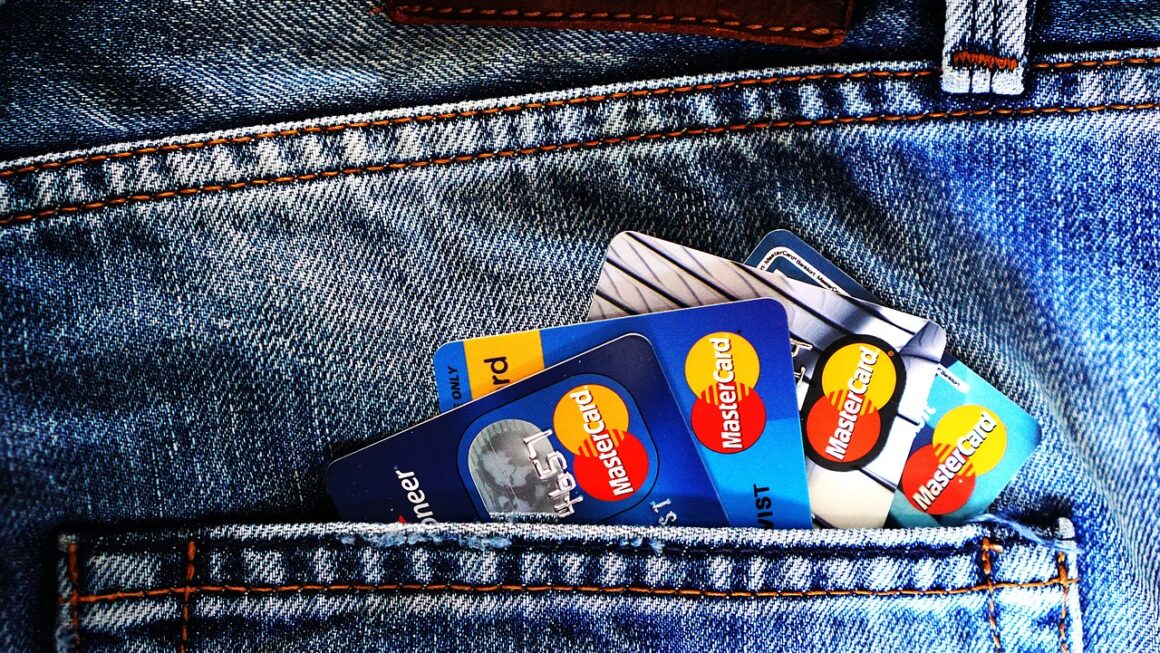
Gaining access to credit can feel like unlocking a financial superpower. It’s a tool that, when used responsibly, can open doors to major purchases, build a positive financial history, and provide a safety net during unexpected expenses. But navigating the world of new credit can be daunting, especially if you’re just starting out. This guide will break down the essentials, from understanding credit scores to choosing the right credit products, ensuring you’re well-equipped to build a strong credit foundation.
Understanding Credit and Credit Scores
What is Credit?
Credit is essentially the ability to borrow money or access goods and services with the understanding that you’ll pay for them later, usually with interest. It’s based on trust between you and the lender – trust that you’ll repay the debt according to the agreed-upon terms. Building good credit is crucial because it affects your ability to secure loans, rent an apartment, and even get certain jobs.
Credit Scores: The Key to Access
Your credit score is a three-digit number that represents your creditworthiness. It’s a snapshot of your credit history and how likely you are to repay debts. In the US, the most commonly used credit scoring models are FICO and VantageScore.
- FICO Score: Ranging from 300 to 850, a higher score indicates a lower risk to lenders.
- VantageScore: Also ranging from 300 to 850, it’s another popular scoring model, often used by credit monitoring services.
Factors influencing your credit score include:
- Payment History (35%): This is the most important factor. Paying bills on time, every time, is critical.
- Amounts Owed (30%): How much credit you’re using compared to your total available credit (credit utilization ratio). Ideally, keep this below 30%.
- Length of Credit History (15%): The longer you’ve had credit accounts, the better.
- Credit Mix (10%): Having a mix of credit accounts (e.g., credit cards, installment loans) can positively impact your score.
- New Credit (10%): Opening too many new accounts in a short period can lower your score.
- Example: Let’s say you have a credit card with a $1,000 limit. If you consistently charge $800 each month and pay it off on time, you’re demonstrating responsible credit use. However, your credit utilization is 80%, which is high. Aim to keep your spending below $300 (30% utilization) to improve your score.
How to Check Your Credit Score
You are entitled to a free credit report from each of the three major credit bureaus (Equifax, Experian, and TransUnion) annually through [AnnualCreditReport.com](https://www.annualcreditreport.com). Many credit card issuers and financial institutions also offer free credit score monitoring services. Take advantage of these resources to stay informed about your credit standing. Regularly reviewing your credit reports can also help you identify and correct any errors that could be negatively impacting your score.
Building Credit from Scratch: Starting Points
Secured Credit Cards
If you have no credit history or poor credit, a secured credit card is an excellent starting point. This type of card requires you to provide a security deposit, which usually serves as your credit limit.
- Benefit: It allows you to build credit without the risk of overspending.
- Example: You deposit $500, and your credit limit becomes $500. Use the card for small purchases and pay them off in full and on time each month.
Credit-Builder Loans
Credit-builder loans are another option designed for people with limited or no credit. With this type of loan, you make payments over a set period, and the lender reports your payment history to the credit bureaus.
- How it works: The loan amount is typically held in a secured account, and you receive the funds after you’ve made all the payments.
- Advantage: You build credit while also saving money.
Becoming an Authorized User
If a family member or close friend has a credit card with a good payment history and is willing to add you as an authorized user, this can help you build credit. The card issuer will report the account activity to your credit report.
- Important: Ensure the primary cardholder is responsible with their credit. Their actions will affect your credit score.
Choosing the Right Credit Card
Types of Credit Cards
Understanding the different types of credit cards will help you choose one that aligns with your financial goals and spending habits.
- Rewards Cards: Offer points, miles, or cash back on purchases.
Example: A travel rewards card might offer 2x points on travel purchases and 1x point on everything else.
- Cash Back Cards: Provide a percentage of your spending back as cash.
Example: A cash back card might offer 1.5% cash back on all purchases.
- Balance Transfer Cards: Offer a low or 0% introductory APR on balance transfers, allowing you to save money on interest charges.
Tip: Pay off the balance before the promotional period ends to avoid high interest rates.
- Low-Interest Cards: Ideal for those who carry a balance, offering lower interest rates than other cards.
Key Considerations When Applying
- APR (Annual Percentage Rate): The interest rate you’ll be charged on your balance.
- Annual Fee: Some cards charge an annual fee for the benefits they offer.
- Credit Limit: The maximum amount you can charge on the card.
- Rewards Program: Understand the terms and conditions of the rewards program.
- Fees: Be aware of other fees, such as late payment fees, over-limit fees, and foreign transaction fees.
- *Practical Advice: Compare different credit cards before applying. Use online tools to find cards that match your credit profile and spending habits. Read the fine print to understand all the terms and conditions.
Responsible Credit Management
Making On-Time Payments
Payment history is the most significant factor in your credit score. Set up automatic payments to ensure you never miss a due date. Even one late payment can negatively impact your score.
Keeping Credit Utilization Low
Aim to keep your credit utilization below 30%. If you have a $1,000 credit limit, try to keep your balance below $300. A lower credit utilization ratio demonstrates responsible credit management to lenders.
Avoid Maxing Out Credit Cards
Maxing out your credit cards can significantly lower your credit score and make it difficult to repay your debt. If you’re struggling to manage your debt, consider seeking help from a credit counseling agency.
Monitor Your Credit Reports Regularly
Check your credit reports from all three major credit bureaus regularly to identify and correct any errors. Dispute any inaccuracies with the credit bureau and the creditor involved.
Don’t Open Too Many Accounts at Once
Opening too many new credit accounts in a short period can lower your credit score. It can also make it more difficult to manage your debt. Only apply for credit when you need it.
Conclusion
Building new credit is a marathon, not a sprint. It requires patience, discipline, and a solid understanding of how credit works. By starting with secured credit cards or credit-builder loans, choosing the right credit card for your needs, and practicing responsible credit management, you can establish a strong credit foundation and unlock a world of financial opportunities. Remember to always prioritize on-time payments, keep your credit utilization low, and regularly monitor your credit reports to stay on track. With the right approach, you can build excellent credit and achieve your financial goals.