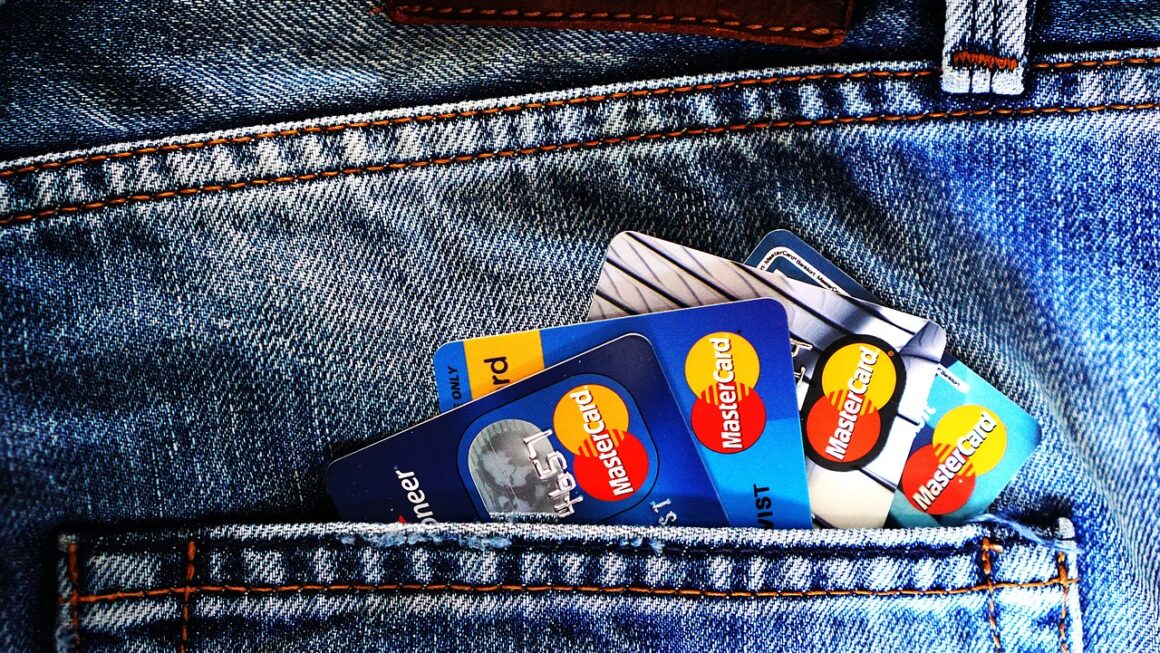
Credit checks can feel like a mysterious and daunting process, but understanding them is crucial for managing your financial health and achieving your financial goals. Whether you’re applying for a loan, renting an apartment, or even starting a new job, your credit history plays a significant role. This comprehensive guide will demystify credit checks, explaining what they are, why they matter, and how you can ensure your credit report is accurate and working in your favor.
What is a Credit Check?
Understanding Credit Reports
A credit check involves reviewing your credit report, which is a detailed summary of your credit history. This report contains information about:
- Personal Identification: Your name, address, Social Security number (SSN), and date of birth.
- Credit Accounts: Details about your credit cards, loans (student, auto, mortgage), and lines of credit. This includes the account type, credit limit or loan amount, account balance, and payment history.
- Public Records: Bankruptcies, liens, and judgments.
- Inquiries: A record of who has accessed your credit report and when. This is divided into hard inquiries (when you apply for credit) and soft inquiries (background checks, pre-approved credit card offers).
The Role of Credit Bureaus
Credit bureaus, also known as credit reporting agencies, are companies that collect and maintain credit information on consumers. The three major credit bureaus in the United States are:
- Equifax: [https://www.equifax.com/](https://www.equifax.com/)
- Experian: [https://www.experian.com/](https://www.experian.com/)
- TransUnion: [https://www.transunion.com/](https://www.transunion.com/)
These bureaus compile the data they receive from lenders, creditors, and public records to create your credit report. Each bureau may have slightly different information, so it’s important to check your reports from all three regularly.
Types of Credit Checks: Hard vs. Soft
Understanding the difference between hard and soft credit checks is essential:
- Hard Credit Check (Hard Inquiry): Occurs when you apply for credit, such as a credit card, loan, or mortgage. Hard inquiries can slightly lower your credit score, especially if you have many within a short period. Lenders use hard inquiries to assess your creditworthiness.
Example: Applying for a new credit card at your favorite retailer.
- Soft Credit Check (Soft Inquiry): Occurs when you check your own credit report, when lenders pre-approve you for offers, or when an employer runs a background check (with your permission). Soft inquiries don’t affect your credit score.
Example: Checking your credit score on a credit monitoring website or service.
Why Credit Checks Matter
Impact on Loan Approvals and Interest Rates
Your credit score, derived from your credit report, is a primary factor lenders consider when you apply for a loan. A good credit score increases your chances of approval and can qualify you for lower interest rates.
- Example: Someone with a credit score of 750 might qualify for a mortgage with a 6% interest rate, while someone with a score of 650 might only qualify for a mortgage with a 7.5% interest rate. Over the life of the loan, this difference in interest rates can amount to tens of thousands of dollars.
Influence on Housing and Employment
Credit checks are increasingly common in other areas of life:
- Landlords: Landlords often use credit reports to assess your ability to pay rent. A poor credit history can make it difficult to rent an apartment or home.
- Employers: Some employers, particularly in the financial sector, may conduct credit checks as part of the hiring process. They are looking for responsible financial behavior. Employers must obtain your permission before conducting a credit check.
- Insurance Companies: Some insurance companies may use credit scores to determine your insurance rates.
Access to Financial Products and Services
A good credit score opens doors to various financial products and services:
- Credit Cards: Easier approval for credit cards with better rewards and perks.
- Personal Loans: Access to loans for various purposes, such as debt consolidation or home improvements.
- Utility Services: May be required to pay a deposit for utility services (electricity, gas, water) if you have a poor credit history.
How to Check Your Credit Report
Obtaining Free Credit Reports
You are entitled to a free credit report from each of the three major credit bureaus every 12 months. You can access these reports through [AnnualCreditReport.com](https://www.annualcreditreport.com/), the only website authorized by the federal government to provide free credit reports.
- Tip: Stagger your requests throughout the year to monitor your credit more frequently. For example, request one report from Equifax in January, one from Experian in May, and one from TransUnion in September.
Using Credit Monitoring Services
Several credit monitoring services offer credit reports and scores for a fee. These services often provide additional features such as:
- Credit score tracking: Monitor changes in your credit score over time.
- Alerts: Receive notifications of suspicious activity or changes to your credit report.
- Identity theft protection: Assistance in resolving identity theft issues.
Reviewing Your Credit Report Carefully
Once you receive your credit report, review it carefully for accuracy:
- Verify Personal Information: Ensure your name, address, Social Security number, and date of birth are correct.
- Check Account Information: Verify that all listed accounts are yours and that the balances and payment histories are accurate.
- Look for Errors: Identify any errors, such as accounts you don’t recognize, incorrect payment statuses, or accounts listed multiple times.
- Identify Fraudulent Activity: Watch out for any signs of identity theft, such as unauthorized accounts or inquiries.
Correcting Errors on Your Credit Report
Disputing Inaccurate Information
If you find errors on your credit report, you have the right to dispute them. Here’s how:
* Example: If you find a credit card listed on your Equifax report that you never opened, explain this in your dispute and include a copy of your driver’s license or other identification.
Providing Supporting Documentation
When disputing errors, include as much supporting documentation as possible. This may include:
- Copies of Identification: Driver’s license, Social Security card, or passport.
- Account Statements: Documents that prove the correct balance or payment history.
- Letters from Creditors: Documentation confirming that an account is closed or paid in full.
- Police Reports: If you are a victim of identity theft, include a copy of the police report.
Following Up on Your Dispute
The credit bureau has 30 days to investigate your dispute. They will contact the creditor or lender that reported the information and request verification. Once the investigation is complete, the credit bureau will notify you of the results.
- If the error is verified, the information will be corrected on your credit report.
- If the error is not verified, the information will remain on your credit report. In this case, you can add a statement to your credit report explaining the situation.
Conclusion
Understanding and managing your credit is essential for achieving your financial goals. By regularly checking your credit reports, correcting errors, and practicing responsible credit habits, you can build a strong credit history and access the financial products and services you need. Take control of your credit today to unlock a brighter financial future.