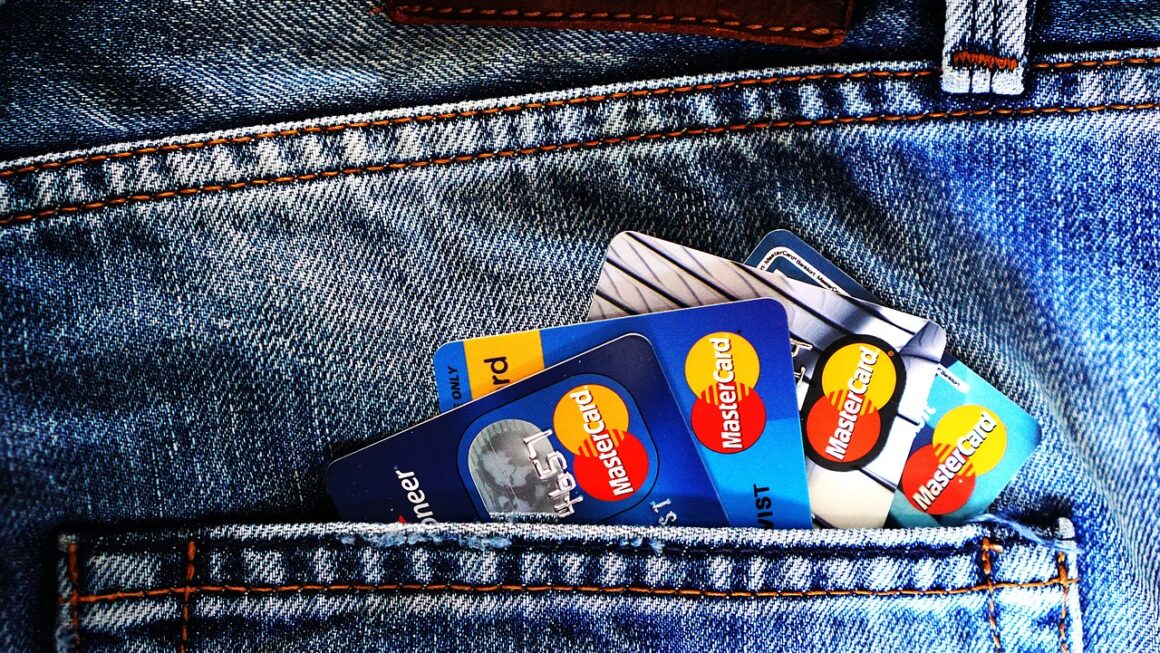
Navigating the world of credit can feel like traversing a labyrinth, especially when you’re just starting out or trying to rebuild your credit history. Understanding the ins and outs of “new credit” – what it is, how it works, and how it impacts your overall financial health – is crucial for making informed decisions and building a strong financial future. This guide will break down everything you need to know about new credit, from different types available to strategies for managing it responsibly.
Understanding New Credit
What is New Credit?
New credit refers to a recently opened credit account. This can include various forms of borrowing, such as credit cards, personal loans, auto loans, mortgages, or even lines of credit. Opening a new credit account adds to your credit mix and impacts several aspects of your credit score. The “new credit” category considers both the number of new accounts and the time elapsed since opening them.
- Example: Opening a credit card and taking out a personal loan within a short timeframe would be considered new credit activity.
Why is New Credit Important?
New credit can be a double-edged sword. On one hand, it can demonstrate your ability to manage credit, contributing positively to your credit score in the long run. On the other hand, opening too many accounts within a short period can negatively impact your score. Lenders view frequent applications as a sign of potential financial instability.
- Positive Impacts:
Demonstrates creditworthiness when managed responsibly.
Adds to your credit mix, which accounts for a small portion of your credit score.
Can provide access to needed funds for purchases or investments.
- Negative Impacts:
Multiple credit inquiries can lower your credit score.
Increases your overall debt burden.
May signal financial distress to lenders.
Types of New Credit
Credit Cards
Credit cards are a revolving form of credit, allowing you to borrow money up to a specific credit limit. New credit cards are a common starting point for many individuals building or rebuilding their credit.
- Secured Credit Cards: Require a cash deposit as collateral, making them easier to obtain for individuals with limited or poor credit history.
Example: You deposit $200, and your credit limit is $200.
- Unsecured Credit Cards: Do not require collateral and are typically offered to individuals with established credit.
Example: Rewards credit cards, balance transfer cards, and travel credit cards.
Personal Loans
Personal loans are installment loans, meaning you borrow a fixed amount of money and repay it over a set period with fixed monthly payments.
- Fixed Interest Rates: Provide predictable monthly payments.
- Unsecured Loans: Often require good credit scores for approval.
- Secured Loans: May require collateral, such as a vehicle or property.
Auto Loans
Auto loans are specifically used to finance the purchase of a vehicle. The vehicle itself serves as collateral for the loan.
- Loan Terms: Typically range from 36 to 72 months.
- Interest Rates: Vary based on credit score, loan term, and lender.
- Down Payment: Can reduce the loan amount and lower monthly payments.
Mortgages
Mortgages are used to finance the purchase of real estate. The property serves as collateral for the loan.
- Loan Types: Fixed-rate, adjustable-rate, FHA, VA, and USDA loans.
- Down Payment: Typically required, ranging from 3% to 20% of the purchase price.
- Closing Costs: Include fees for appraisal, title insurance, and origination.
Managing New Credit Responsibly
Monitoring Your Credit Score
Regularly monitoring your credit score is essential to track the impact of new credit on your overall credit health.
- Free Credit Reports: Obtain a free credit report from each of the three major credit bureaus (Equifax, Experian, and TransUnion) annually through AnnualCreditReport.com.
- Credit Monitoring Services: Many banks and credit card issuers offer free credit score tracking services.
- Early Detection: Monitoring your credit allows you to identify any inaccuracies or fraudulent activity early on.
Avoiding Over-Application
Opening too many new credit accounts within a short period can negatively impact your credit score.
- Spacing Out Applications: Wait at least 3-6 months between credit applications.
- Focus on Needs: Only apply for credit accounts that you genuinely need.
- Pre-Approval Offers: Be cautious of pre-approval offers, as they are not guarantees of approval and still result in a credit inquiry.
Keeping Credit Utilization Low
Credit utilization is the amount of credit you’re using compared to your total available credit. It’s a significant factor in your credit score.
- Target: Aim to keep your credit utilization below 30%.
- Example: If you have a credit card with a $1,000 limit, try to keep your balance below $300.
- Payment Strategies: Pay off your balances in full each month or make multiple payments throughout the month to keep utilization low.
Making Timely Payments
Payment history is the most important factor in your credit score.
- Set Reminders: Use calendar reminders or automatic payments to ensure you never miss a due date.
- Automated Payments: Enroll in automated payments to avoid late fees and negative marks on your credit report.
- Budgeting: Create a budget to ensure you have enough funds to cover your credit obligations each month.
The Impact of Credit Inquiries
Hard Inquiries vs. Soft Inquiries
Understanding the difference between hard and soft inquiries is crucial for managing your credit score.
- Hard Inquiries: Occur when you apply for new credit. These inquiries can slightly lower your credit score, especially if you have multiple inquiries within a short timeframe.
- Soft Inquiries: Occur when you check your own credit report or when lenders pre-approve you for offers. Soft inquiries do not affect your credit score.
Minimizing Hard Inquiries
- Shop Around Wisely: When comparing loan rates, try to do so within a short period (e.g., 14-30 days) to minimize the impact of multiple inquiries.
- Avoid Unnecessary Applications: Only apply for credit when you truly need it.
- Focus on Approval Odds: Research your approval odds before applying for a credit card or loan.
Building Credit from Scratch
Starting with a Secured Credit Card
A secured credit card is an excellent option for individuals with no credit history.
- Low Risk: The security deposit minimizes the risk for the issuer.
- Build Credit: Responsible use can help you build a positive credit history.
- Upgrade Options: After a period of responsible use, you may be able to upgrade to an unsecured credit card and receive your security deposit back.
Becoming an Authorized User
Becoming an authorized user on someone else’s credit card account can help you build credit.
- Piggybacking: You benefit from the primary cardholder’s good credit history.
- Eligibility: Not all credit card issuers report authorized user activity to the credit bureaus. Ensure the card issuer does before becoming an authorized user.
- Risks: The primary cardholder’s actions can impact your credit score.
Credit-Builder Loans
Credit-builder loans are designed to help individuals with limited or poor credit history build credit.
- How They Work: You make payments on the loan, and the lender reports your payment activity to the credit bureaus.
- Savings Component: Often, the loan funds are held in a savings account until you repay the loan.
- Availability: Offered by some credit unions and community banks.
Conclusion
Navigating new credit successfully requires a clear understanding of the different types of credit available, responsible management practices, and a proactive approach to monitoring your credit health. By understanding the impact of new credit on your credit score and taking steps to manage it responsibly, you can build a strong credit foundation and achieve your financial goals. Remember to space out credit applications, keep credit utilization low, make timely payments, and regularly monitor your credit reports. With these strategies, you can leverage new credit to your advantage and build a brighter financial future.