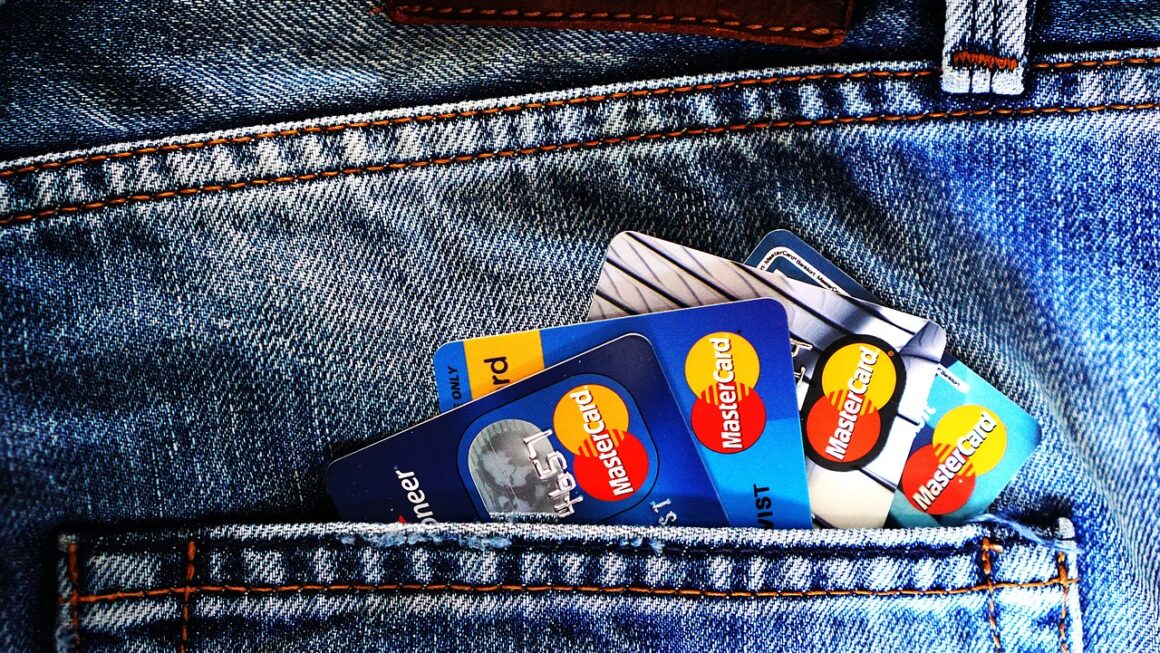
Boosting your credit score can feel like climbing a mountain, but the view from the top – lower interest rates, better loan terms, and financial freedom – makes the effort worthwhile. Understanding the factors that influence your credit score and implementing effective strategies can significantly improve your creditworthiness and open doors to future opportunities. This guide provides a comprehensive overview of actionable steps you can take to build and maintain a healthy credit profile.
Understanding Your Credit Score
What is a Credit Score?
A credit score is a three-digit number that represents your creditworthiness. Lenders use this score to assess the risk of lending you money. The higher your score, the lower the risk you pose, and the better the terms you’re likely to receive on loans and credit cards. Common credit scoring models include FICO and VantageScore.
- FICO Score: This is the most widely used credit scoring model by lenders. FICO scores range from 300 to 850.
- VantageScore: This scoring model was created by the three major credit bureaus (Equifax, Experian, and TransUnion). VantageScores also range from 300 to 850.
Factors Affecting Your Credit Score
Several factors contribute to your credit score. Understanding these factors is crucial to improving your creditworthiness:
- Payment History (35%): This is the most significant factor. Paying your bills on time, every time, is crucial. Late payments, even by a few days, can negatively impact your score.
- Amounts Owed (30%): This refers to the amount of debt you owe relative to your available credit, also known as credit utilization ratio. Keeping your credit utilization low (below 30%) is essential.
- Length of Credit History (15%): A longer credit history generally results in a higher score. Lenders want to see that you have a proven track record of responsible credit management.
- Credit Mix (10%): Having a mix of different types of credit, such as credit cards, installment loans (e.g., auto loans, personal loans), and mortgages, can positively impact your score.
- New Credit (10%): Opening too many new credit accounts in a short period can lower your score. Each application triggers a hard inquiry, which can slightly lower your score.
Strategies to Improve Your Credit Score
Paying Bills On Time
This is the most effective way to improve your credit score. Set up automatic payments or reminders to ensure you never miss a due date. Even small, consistent payments make a big difference.
- Example: If you have a credit card with a minimum payment of $25, make sure to pay at least that amount on time each month. Consider paying more than the minimum to reduce your debt faster and lower your credit utilization.
Lowering Credit Utilization
Credit utilization refers to the amount of credit you’re using compared to your total available credit. Aim to keep your credit utilization below 30%. Ideally, strive for under 10% for the best results.
- Example: If you have a credit card with a $1,000 credit limit, try to keep your balance below $300 (30% utilization) or even better, below $100 (10% utilization).
- Strategies to Lower Utilization:
Pay down your balances aggressively.
Request a credit limit increase (without hard inquiry).
Open a new credit card (but be mindful of opening too many too quickly).
Becoming an Authorized User
If you have a friend or family member with a credit card in good standing, ask them to add you as an authorized user. Their positive payment history can be reported to your credit report, boosting your score.
- Important: Ensure the primary cardholder has a responsible credit history, as their negative behavior can also impact your credit score.
Using a Secured Credit Card
If you have limited or no credit history, a secured credit card can be an excellent way to build credit. You provide a security deposit, which typically serves as your credit limit. As you make timely payments, your credit score will improve.
- Example: You deposit $500 with the credit card issuer, and they grant you a $500 credit limit. Use the card responsibly and pay your bills on time to build credit.
Credit Builder Loans
Credit builder loans are designed to help people with little or no credit establish a positive payment history. These loans work by having you make payments into an account, and the lender reports your payment activity to the credit bureaus.
- How it Works: You apply for a small loan, but instead of receiving the money upfront, the lender holds the funds in a secured account. You then make regular payments over a set period. Once you’ve repaid the loan, you receive the money.
Monitoring Your Credit Report
Why Monitor Your Credit Report?
Regularly monitoring your credit report is crucial for identifying errors, detecting fraudulent activity, and tracking your progress in improving your credit score. You are entitled to a free credit report from each of the three major credit bureaus (Equifax, Experian, and TransUnion) once a year at AnnualCreditReport.com.
- Benefits of Monitoring:
Identify and correct errors that could be negatively impacting your score.
Detect fraudulent activity early on, such as unauthorized accounts or charges.
Track your progress in building credit.
How to Obtain Your Credit Report
You can obtain your credit report from the following sources:
- AnnualCreditReport.com: This is the official website to access your free annual credit reports from Equifax, Experian, and TransUnion.
- Credit Monitoring Services: Several companies offer credit monitoring services that provide ongoing access to your credit reports and alerts for changes to your credit file.
- Directly from Credit Bureaus: You can also request your credit report directly from Equifax, Experian, and TransUnion.
Disputing Errors on Your Credit Report
If you find errors on your credit report, it’s essential to dispute them immediately. Contact the credit bureau that issued the report and provide documentation to support your claim.
- Example: If you find an incorrect late payment reported on your credit report, gather evidence of on-time payments and submit a dispute to the credit bureau.
Avoiding Common Credit Mistakes
Maxing Out Credit Cards
This is a significant red flag for lenders. Maxing out your credit cards significantly increases your credit utilization ratio and can drastically lower your score.
- Solution: Keep your balances low and avoid charging more than you can afford to pay off each month.
Closing Old Credit Card Accounts
Closing old credit card accounts can reduce your overall available credit, potentially increasing your credit utilization ratio. It can also shorten your credit history, which can negatively impact your score.
- Solution: Keep old accounts open, even if you don’t use them frequently, as long as they don’t have annual fees. A small purchase every few months can keep the account active.
Ignoring Late Payments
Late payments are one of the most damaging factors affecting your credit score. Even a single late payment can have a significant impact, especially if you have a thin credit file.
- Solution: Set up automatic payments or reminders to ensure you never miss a due date. If you’re struggling to make payments, contact your creditors to explore options such as hardship programs.
Conclusion
Boosting your credit score is a marathon, not a sprint. It requires patience, discipline, and a commitment to responsible financial habits. By understanding the factors that influence your credit score and implementing the strategies outlined above, you can significantly improve your creditworthiness and unlock a world of financial opportunities. Remember to monitor your credit report regularly, avoid common credit mistakes, and stay consistent with your efforts. The rewards of a healthy credit score are well worth the investment.