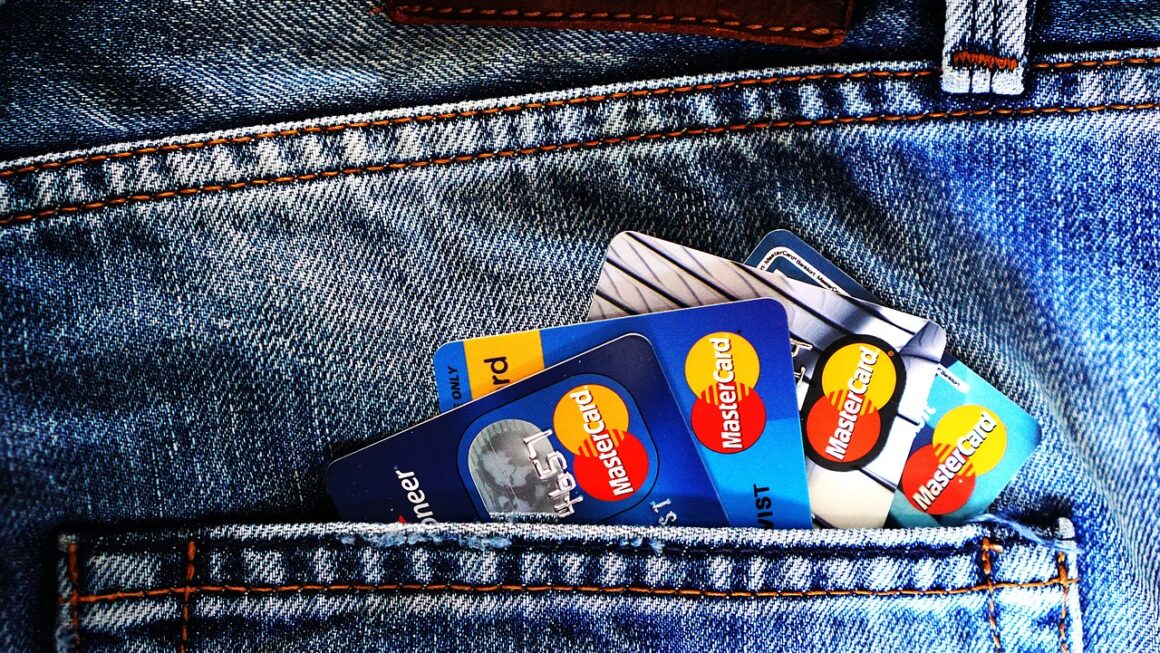
Having excellent credit isn’t just about bragging rights; it’s a powerful key that unlocks a world of financial opportunities and savings. From securing the best interest rates on loans to getting approved for premium credit cards with lucrative rewards, maintaining a top-tier credit score can significantly impact your financial well-being. This guide delves into the ins and outs of excellent credit, exploring what it means, how to achieve it, and the incredible benefits it offers.
What is Considered Excellent Credit?
Understanding Credit Score Ranges
The most commonly used credit scoring model is FICO, which ranges from 300 to 850. Different lenders may have slightly different definitions, but generally, here’s how FICO scores break down:
- Exceptional: 800-850
- Very Good: 740-799
- Good: 670-739
- Fair: 580-669
- Poor: 300-579
An excellent credit score typically falls within the 800-850 range. This score signals to lenders that you are a very reliable borrower with a history of responsible credit management.
What Makes a Credit Score Excellent?
Achieving excellent credit requires a combination of positive credit habits over time. Here are the key factors that contribute to a top-tier credit score:
- Payment History (35%): Consistently paying your bills on time is the most significant factor.
- Amounts Owed (30%): This refers to your credit utilization ratio, which is the amount of credit you’re using compared to your total available credit. Ideally, keep this below 30%, and even better, below 10%.
- Length of Credit History (15%): A longer credit history generally leads to a higher score, as it provides lenders with more data to assess your reliability.
- Credit Mix (10%): Having a mix of different types of credit, such as credit cards, installment loans (e.g., auto loans, mortgages), and even retail accounts, can positively impact your score.
- New Credit (10%): Opening too many new credit accounts in a short period can temporarily lower your score.
The Benefits of Having Excellent Credit
Lower Interest Rates
One of the most tangible benefits of excellent credit is access to lower interest rates on loans and credit cards. This can save you thousands of dollars over the life of a loan.
Example: Let’s say you’re taking out a $300,000 mortgage. With excellent credit, you might qualify for a 6% interest rate, whereas someone with a “good” credit score might get a 7% rate. Over a 30-year term, that 1% difference could save you well over $60,000 in interest.
Better Credit Card Offers
Excellent credit opens the door to premium credit cards with attractive rewards programs, travel perks, and signup bonuses. These cards often have higher credit limits and lower APRs, maximizing your purchasing power.
- Travel Rewards: Earn points or miles that can be redeemed for flights, hotels, and other travel expenses.
- Cash Back Rewards: Get a percentage of your purchases back in cash.
- Signup Bonuses: Receive a large bonus after meeting a certain spending requirement within a specified timeframe.
Increased Approval Odds
Whether you’re applying for a mortgage, auto loan, or even renting an apartment, excellent credit significantly increases your chances of approval. Landlords and lenders view you as a lower-risk applicant.
Negotiating Power
With excellent credit, you have more leverage when negotiating interest rates, credit limits, and other terms with lenders and service providers. They’re more likely to offer you favorable deals to earn your business.
Example: When purchasing a new car, you can use your excellent credit score as a bargaining chip to negotiate a lower interest rate on your auto loan.
Insurance Benefits
While not always directly related to credit scores, some insurance companies use credit-based insurance scores to determine premiums. Excellent credit can potentially lead to lower insurance rates.
How to Achieve and Maintain Excellent Credit
Pay Bills On Time, Every Time
Set up automatic payments or reminders to ensure you never miss a due date. Even a single late payment can negatively impact your credit score.
Tip: If you’re struggling to manage multiple due dates, consider consolidating your debts or aligning your payment schedules.
Keep Credit Utilization Low
Aim to use no more than 30% of your available credit, and ideally keep it below 10%. This demonstrates responsible credit management.
Example: If you have a credit card with a $10,000 limit, try to keep your balance below $3,000, and preferably below $1,000.
Monitor Your Credit Reports Regularly
Check your credit reports from all three major credit bureaus (Equifax, Experian, and TransUnion) at least once a year. You can access them for free at AnnualCreditReport.com.
Tip: Look for any errors or inaccuracies and dispute them immediately. Common errors include incorrect account balances, late payments, or accounts that don’t belong to you.
Avoid Opening Too Many New Accounts
Opening multiple new credit accounts in a short period can lower your score, as it can signal to lenders that you’re taking on too much debt.
Tip: Be selective about the credit cards and loans you apply for, and only open new accounts when necessary.
Maintain a Mix of Credit Accounts
Having a mix of different types of credit, such as credit cards, installment loans, and mortgages, can positively impact your credit score. However, don’t open new accounts just for the sake of diversifying your credit mix; only do so if it aligns with your financial goals.
Common Myths About Excellent Credit
Myth: Closing Credit Cards Will Improve My Score
Closing credit cards, especially those with long credit histories or high credit limits, can actually lower your score by reducing your available credit and increasing your credit utilization ratio. Unless there’s a compelling reason to close a card (e.g., high annual fee), it’s generally best to keep it open.
Myth: Checking My Credit Score Will Hurt My Score
Checking your own credit score through a reputable source will not hurt your score. These are considered “soft inquiries” and do not impact your creditworthiness. Only “hard inquiries,” which occur when you apply for credit, can temporarily lower your score.
Myth: Carrying a Balance Improves My Credit Score
You do not need to carry a balance on your credit cards to improve your credit score. In fact, carrying a balance and paying interest can actually hurt your finances. As long as you use your credit cards responsibly and pay your balances in full each month, you’ll build a positive credit history.
Myth: I Can Fix My Credit Score Overnight
Building and maintaining excellent credit takes time and consistent effort. There are no quick fixes or shortcuts. Beware of companies that promise to “erase” your bad credit; these are often scams.
Conclusion
Achieving and maintaining excellent credit requires discipline and a commitment to responsible financial habits. While it may seem daunting at first, the rewards of having a top-tier credit score are well worth the effort. From lower interest rates to better credit card offers and increased approval odds, excellent credit unlocks a world of financial opportunities and savings. By following the tips and advice outlined in this guide, you can pave the way to a brighter financial future. Start today and enjoy the benefits of excellent credit for years to come.